

The Science
Grounded in peer-reviewed research
Six benefit areas. Eighty-seven peer-reviewed citations. By CSO Dr JF Lesgards with contributions/support from Dr Allan Chiunda.
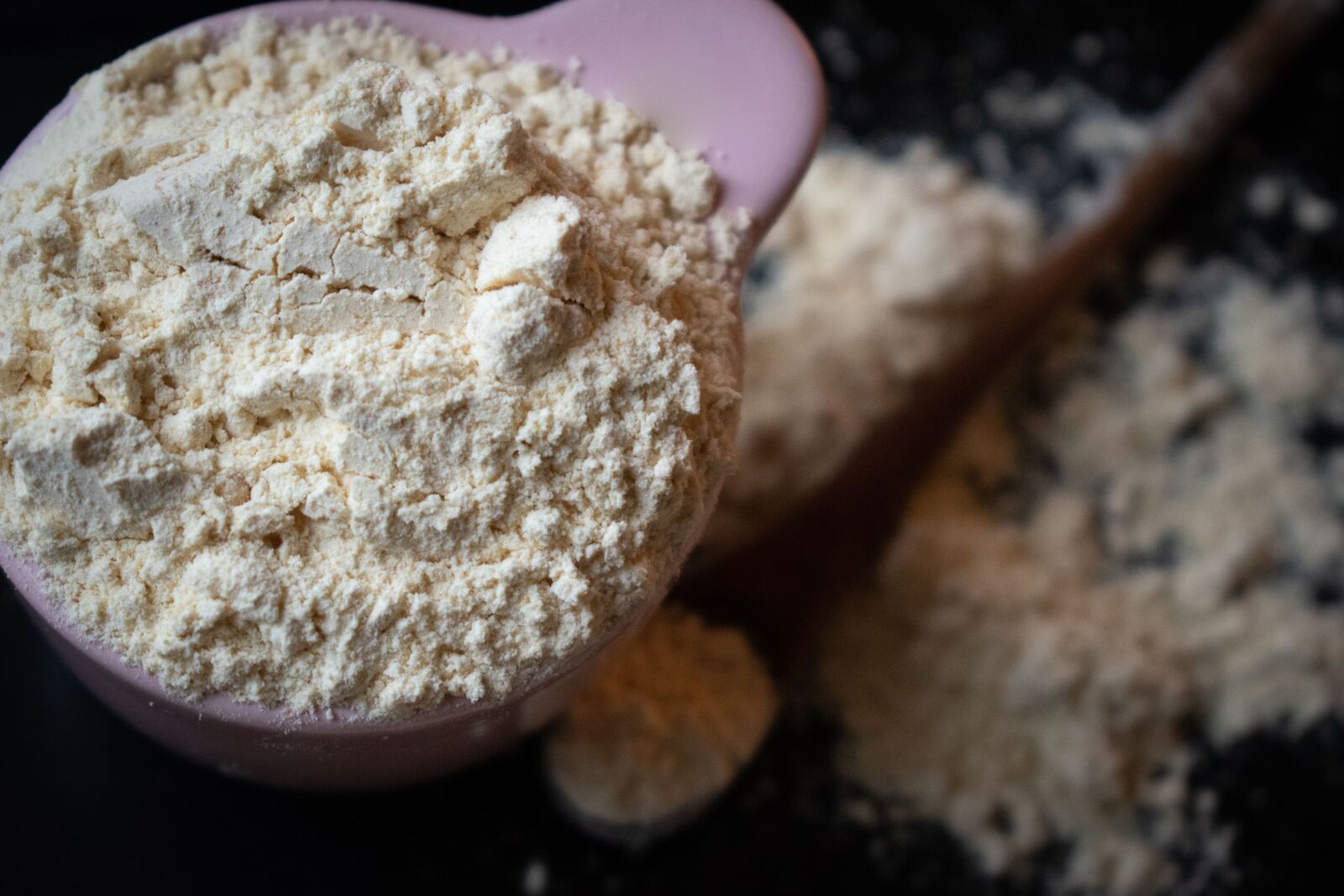
Our approach & commitment
Nutrition, treated as a science
Nutrition in relation to health is a science that requires precision. Protelicious aims to combine gourmet products with scientific knowledge to help people achieve a more balanced diet and stronger health. For this, we prepare and develop high-quality whey protein supplements and food that promote various health benefits in the fields of prevention against chronic inflammation, aging, immunity improvement, gut health, weight control, skin health and global wellness. These health benefits are science-backed by clinical research, scientific bibliography and collaboration with leading international laboratories in the fields of dairy and nutrition. That's why our products are of the best quality thanks to demanding sourcing which fulfills the most respectful processes necessary for preserving the quality and benefits of our ingredients.
Great taste and texture are also key for us as we work with chefs and restaurants to provide recipes for food and beverages, with the goal of integrating strong health benefits into everyday diets.
The Science behind Health Benefits of Whey Protein Concentrate
Whey Protein Concentrate
The science behind whey's health benefits
Six benefit areas. Tap any pillar for the clinical mechanism and the peer-reviewed evidence behind it.
Healthy body weight, muscle & blood sugar
We have known for decades that the damages provoked by sugar on our health have been vastly underestimated compared with "bad fats", like cholesterol or saturated fat, whose harmful effects have been excessively pointed out. This major rectification towards more scientific truth has been published even in major scientific journals such as JAMA (Kearns CE et al., 2016). The sugar industry has constantly paid millions of US dollars since the 1950s for producing false information and studies in the field (Hass HB, 1954). Like in the New York Times, this has also been reported to the public and is clearly acknowledged today: "How the Sugar Industry Shifted Blame to Fat" (O'Connor A, Sept. 12, 2016). In fact, the real "bad fats" that have a clear negative impact on diabetes and cardiovascular diseases (CVDs) are essentially industrial processed fats and trans fats (de Souza RJ et al., 2015).
So, sugar in food, and especially added sugar, is the real major health issue!
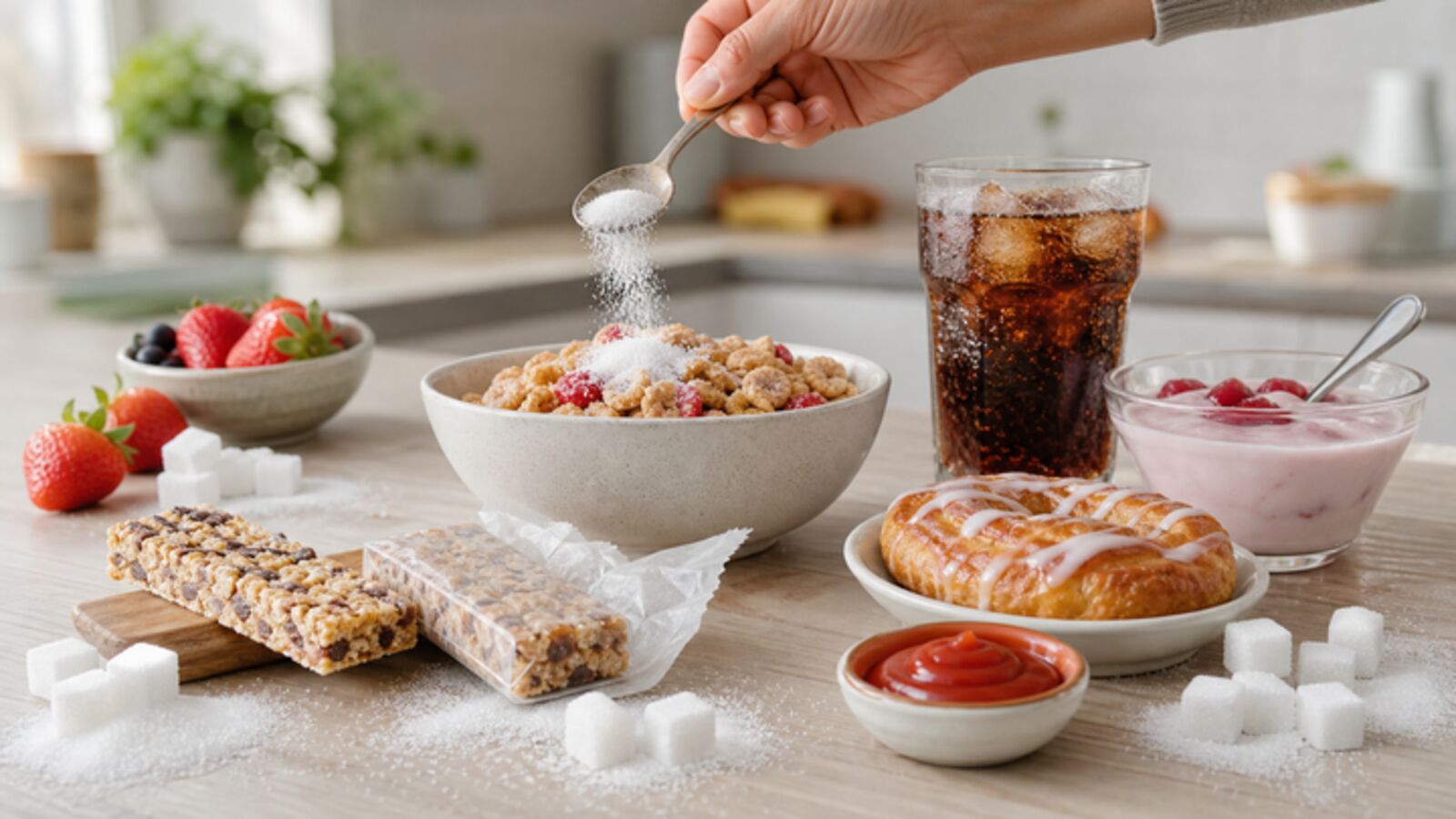
Reduction of sugar craving
Studies have consistently shown that diets low in protein trigger sugar cravings and obesity (Roberge JB et al., 2019) (Kim JE et al., 2016).
Whey protein intake can really help to control sugar cravings because proteins have an action on appetite and induce a satiety effect.
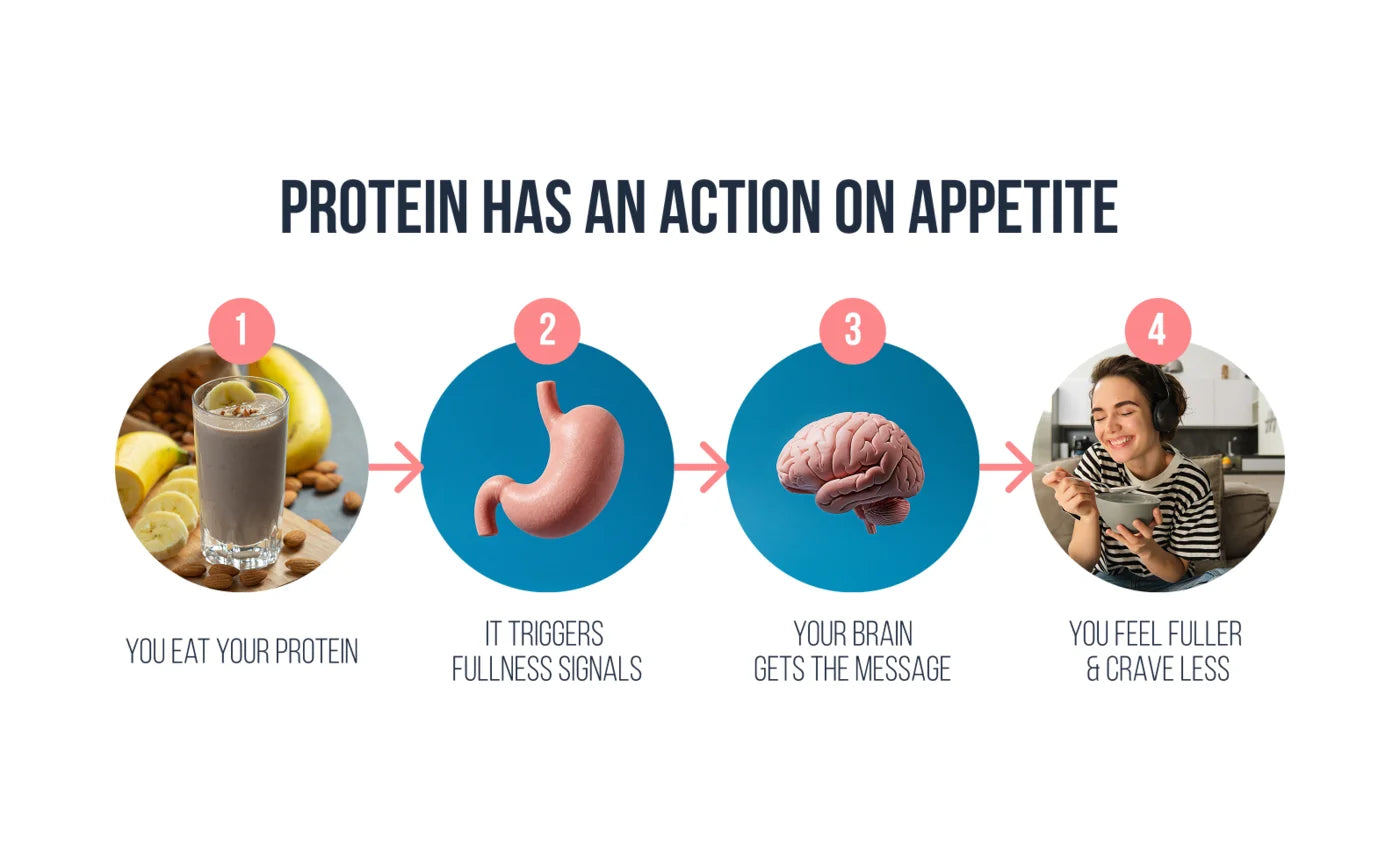
Consuming whey gives the sensation of feeling fuller longer. This biological effect has been described scientifically and is driven by hormones produced in the gut after whey intake. These hormones are called GIP (glucose-dependent insulinotropic polypeptide), GLP-1 (glucagon-like-peptide-1), CCK (cholecystokinin), PYY (Peptide YY) or ghrelin, and they send a signal of satiety to the brain (in the hypothalamus). So, it's gut-brain info which circulates via both blood and nerve (vagus nerve) routes (Lesgards et al., 2023). Other studies have demonstrated that whey proteins have a better effect on appetite control than other protein sources such as eggs, casein, or soy (Hall W et al., 2003) (Anderson G et al., 2004) (Uhe A et al., 1992) (Tahavorgar A et al., 2014).
Controlling hunger and sugar cravings is also essential to controlling or losing weight (avoiding the storage of triglycerides) and reducing sugar spikes in the blood (hyperglycemia), which are associated with oxidation/inflammation in the pancreas and the body.
Management of glycemia and blood lipids
The intake of quality whey proteins, in particular 60-90 minutes before a meal, increases insulin secretion in pancreatic β-cells which lowers glucose in the blood (glycemia) after a meal (postprandial state) (Frid AH et al., 2005) (Lesgards et al., 2023).
There are several mechanisms (see Figure 1 for more info and a global view): Some amino acids (AAs), particularly leucine, activate key enzymes like glutamate dehydrogenase for insulin production and inhibit the enzyme dipeptidyl peptidase-4 (DPP-4), which prevents the degradation of GIP and GLP-1, two peptides useful for insulin production (Lesgards et al., 2023).
Additionally, whey proteins have been shown to modulate gastric emptying through various actions on the stomach and gut (including relaxation of the proximal stomach, reduced antral and duodenal motility, and increased pyloric tone), partly through GLP-1 secretion, thereby contributing to reduce postprandial blood glucose rise (Mignone LE et al., 2015) (Lesgards et al., 2023).
Also, the AA cysteine improves glucose metabolism in diabetic animals and type-2 diabetic patients, and Protelicious whey is particularly rich in sulfur-containing amino acids like cysteine and methionine (which can produce cysteine in the body) thanks to our cold filtration process which preserves them from oxidation (Jain SK, 2012).
Furthermore, whey consumption has also been shown to decrease fasting triglycerides, total cholesterol and LDL cholesterol ("bad cholesterol") in clinical studies (Lesgards et al., 2023).
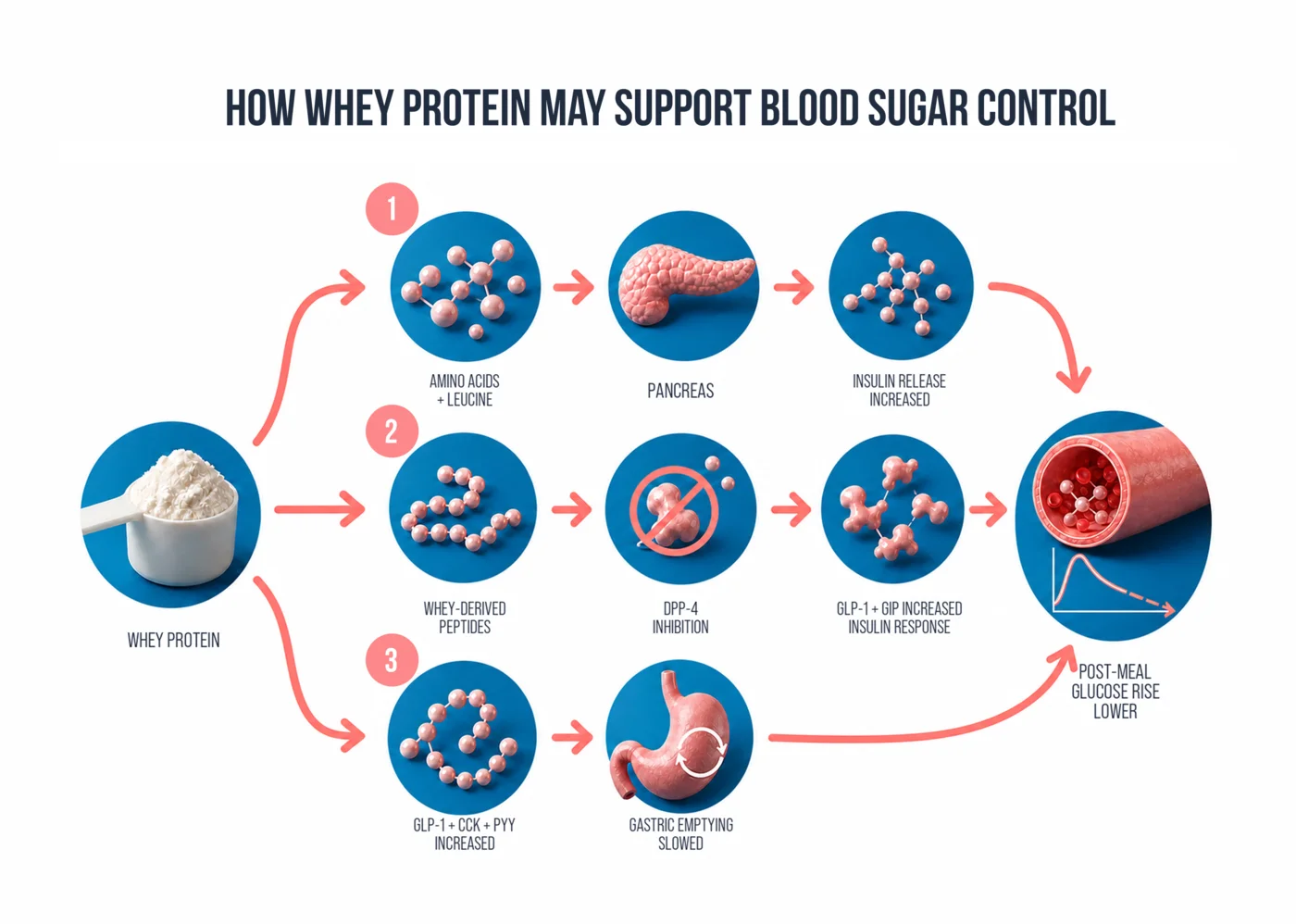
Figure 1. Mechanisms implicated in whey protein activity on postprandial glycemia reduction. GIP: glucose-dependent insulinotropic polypeptide; GLP-1: glucagon-like-peptide-1; CCK: cholecystokinin; PYY: peptide YY; DPP-IV: dipeptidyl peptidase-IV; BCAAs: branched-chain amino acids
Improvement of lean mass over fat mass
Consuming whey protein, particularly grass-fed cold-processed whey like Protelicious Whey Protein Concentrates (WPCs), which has probably the best amino acid (AAs) profile and digestibility among all foods, one can improve their lean mass (muscle) vs. fat mass ratio. Together with a bit of regular physical activity, it contributes to a healthier silhouette and control of body mass index (BMI) and weight.
Indeed, whey is particularly rich in branched-chain amino acids (BCAAs) like leucine, which triggers muscle synthesis (Devries MC et al., 2015) (Hulmi et al., 2010) (Fujita and Volpi, 2006). Furthermore, in clinical studies, whey protein has been found to stimulate muscle protein synthesis better than other proteins such as eggs, casein and soy (Devries MC et al., 2015).
Proteins are also essential for bones and joint health, making up a significant portion of both tissues. AA intake plays a significant role in the continuous cycle of bone formation and resorption, maintaining bone health (Jennings A. et al., 2016) (Heaney RP and Layman DK, 2008).
The intake of 1-1.2 g/kg of body weight/day of quality proteins is particularly crucial for seniors to prevent protein breakdown from muscle and bones and loss of muscle mass associated with age (sarcopenia) (Rieu I et al., 2006).

Energy & reduced fatigue
Help to improve physical energy and recuperation
Help to fight mental fatigue and stress
Mental fatigue is a psycho-biological state caused by prolonged periods of demanding cognitive activity in an intense period of work, for example (affects concentration, mood and physical performance).

Whey is useful because it can contribute to increasing the synthesis of hormones like serotonin (the hormone of good mood and which regulates day cycles) thanks to its richness in tryptophan, melatonin (the hormone for sleep) and dopamine (the hormone for motivation, pleasure and reward) thanks to its richness in tyrosine (Markus CR et al., 2000) (Markus CR et al., 2002).
In addition, whey may also increase magnesium uptake by cells with the help of the AAs arginine and taurine (synthesized from other AAs such as cysteine or methionine, of which whey is richer than many protein sources), thus contributing to the reduction of stress which has a strong impact on mental fatigue.
Helps to improve physical energy and recuperation
Thanks to the unique richness of whey in its 9 essential amino acids (EAAs) and branched amino acids (BCAAs: leucine, isoleucine, and valine), it is useful to improve recovery and muscle damage as well as muscle fiber synthesis after exercise (Devries MC et al., 2015) (Davies RW et al., 2018).
Thanks to its contribution to the control of inflammation and oxidation, whey is useful for muscles/tendons through its richness in antioxidant AAs: cysteine, methionine, lysine, and taurine (made from cysteine) after long efforts and high-intensity physical activity (Sakelliou A et al., 2016).
Immune support
Protelicious whey protein concentrate is processed by ultrafiltration at low temperatures. This process protects all essential amino acids (EAAs), which are often partially damaged during the application of heat either via standard industrial concentration treatment methods (heated, use of strong acids, ion exchange column extraction) used by most other whey (WPCs and whey protein isolates/WPIs) products on the market (for gyms and bodybuilding in particular) or excessive cooking in foods. The majority of these amino acids are very beneficial for your immune system.

Strengthens immune system and helps fight infections
A regular intake of whey protein strengthens the immune system by supporting our white blood cells, whether the innate immune system (neutrophils, macrophages, NK/natural killers), which constitute the body's first line of defence against viruses, bacteria and other pathogens but also adaptive or acquired immunity (T and B lymphocytes) which is more specific to a given pathogen and produces a memory for this infection (Ghezzi P 2011) (Morris D et al., 2013) (Muri J and Kopf M, 2021) (Lesgards JF, 2026).
These cells require sulfur-containing AAs like cysteine and methionine for the synthesis of glutathione (GSH) in our body to function at their best and fight off viruses and bacteria (Madureira AR et al. 2007) (Dröge and Breitkreutz, 2000). Increased glutathione (GSH) levels help maintain cellular redox homeostasis and, together with the direct antiviral activity of whey-derived bioactive peptides, may limit the replication and spread of influenza viruses, coronaviruses, and other respiratory viruses (Geiler J et al., 2010) (Gallo V et al., 2022) (Lesgards JF, 2026). Whey peptides also potentially attenuate symptoms and improve survival (De Flora S et al., 1997) (Nencioni L et al., 2003) (Lesgards JF, 2026), while emphasizing the need for further clinical research in this field.
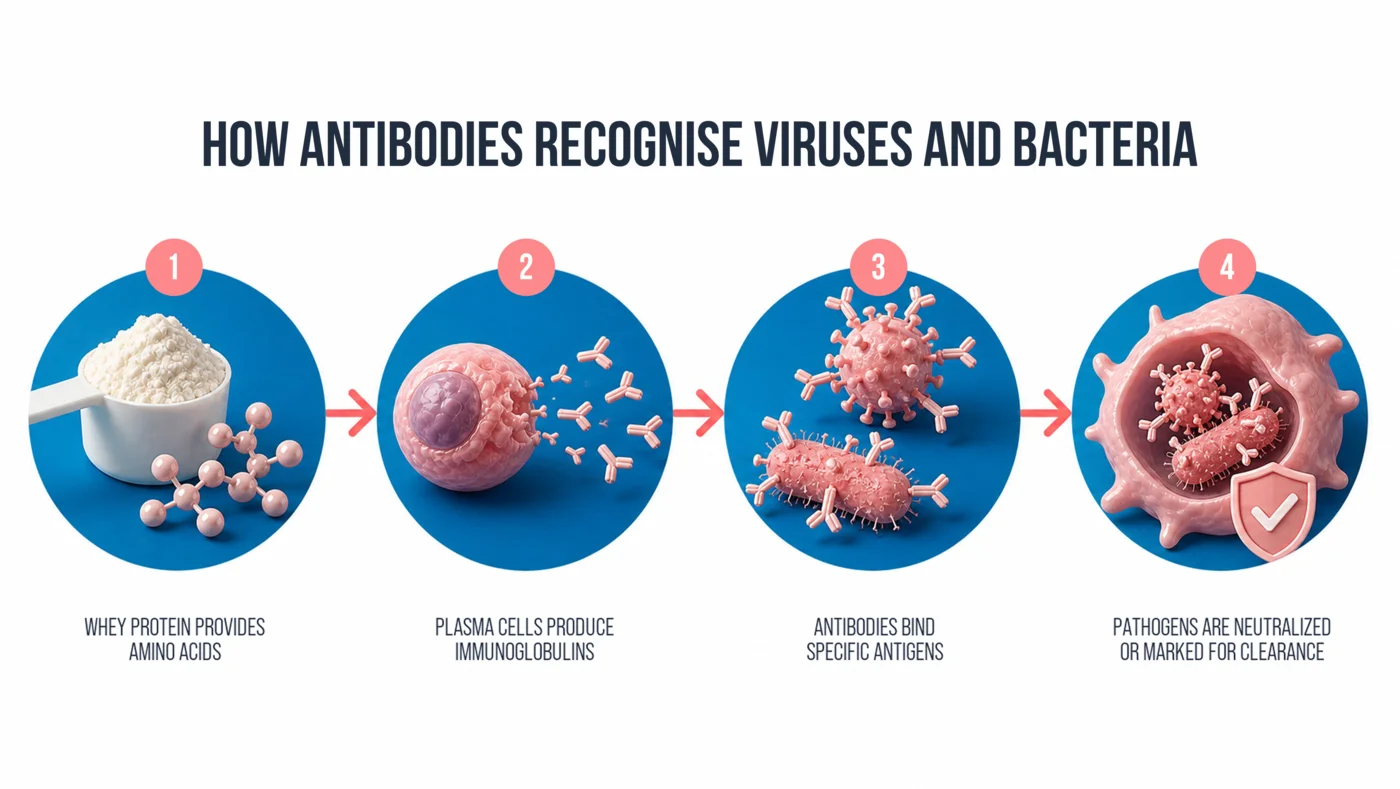
Proteins and AAs are also necessary for the production of immunoglobulins (antibodies which are proteins) that recognize viruses and bacteria and bind to them to stop infection in our cells. Our high-quality whey protein concentrate is naturally rich in immunoglobulins (10-15 % of total proteins) that will be digested before reaching blood circulation and organs, which will thus receive the adequate ratio of AAs to produce and synthesize new immunoglobulins. Studies have shown that whey protein supplementation significantly increased immunoglobulin G levels (Bumrungpert A. et al., 2018).
Another mechanism by which whey proteins impact positively on immunity is gut health. Whey is very rich in glutamic acid, which can synthesize glutamine that brings energy to intestinal cells. Indeed, it is necessary for a healthy intestinal barrier to have tight junctions between cells to avoid pathogens or toxins from entering into circulation: if the intestine becomes permeable, a condition called "leaky gut", these molecules and bacteria go into the blood and can reach distant organs and cause inflammation, allergic reactions and auto-immune responses (Nagpal R et al., 2017).
Furthermore, AAs are essential to maintain a balanced gut microbiota (a mix of "good" and "bad" or pathogenic bacteria, fungi and other microorganisms). Given that approximately 70% of our immune cells are located in the gut (Dai ZL et al., 2011) it is essential that the body deal with any pathogens in the gut so they don't enter the body. Also, more than 80% of the immunoglobulin-producing white blood cells (blasts and plasma cells) are located within the gastrointestinal tract, collectively called the gut-associated lymphoid tissue (GALT).
Healthy ageing, inflammation & antioxidants
Reduces inflammation, helps prevent chronic inflammatory conditions and supports and improves detoxification processes
Decades of international research show that chronic inflammation is devastating to the health of the entire body, causing chronic diseases like diabetes, heart disease, neurological diseases, cancer and aging. The lifestyle factors implicated in inflammation are prolonged imbalances in our food habits, lifestyle (smoke, stress) and environmental factors (pollution) that assault our cells through several biochemical reactions called oxidation. Oxidation of cells can be compared to metal rusting when exposed to oxygen. Prolonged oxidation (called "oxidative stress") is associated together with chronic inflammation and can cause the onset of different pathologies that go from simple disorders like a decrease in skin quality, flu and colds, to more serious inflammatory diseases like cardiovascular disease, cancer, neurodegenerative diseases and others, as well as aging.
We all experience oxidation and inflammation in our bodies; it's unavoidable. However, we can control it, and one of the best ways to counteract it is by consuming antioxidant/anti-inflammatory compounds from diet and food supplements together with regular physical activity and stress management (Lesgards et al., 2002). Food is definitely a crucial aspect in this matter and adequate supplements such as whey and other quality antioxidants can be seen as efficient tools!
Reduces inflammation
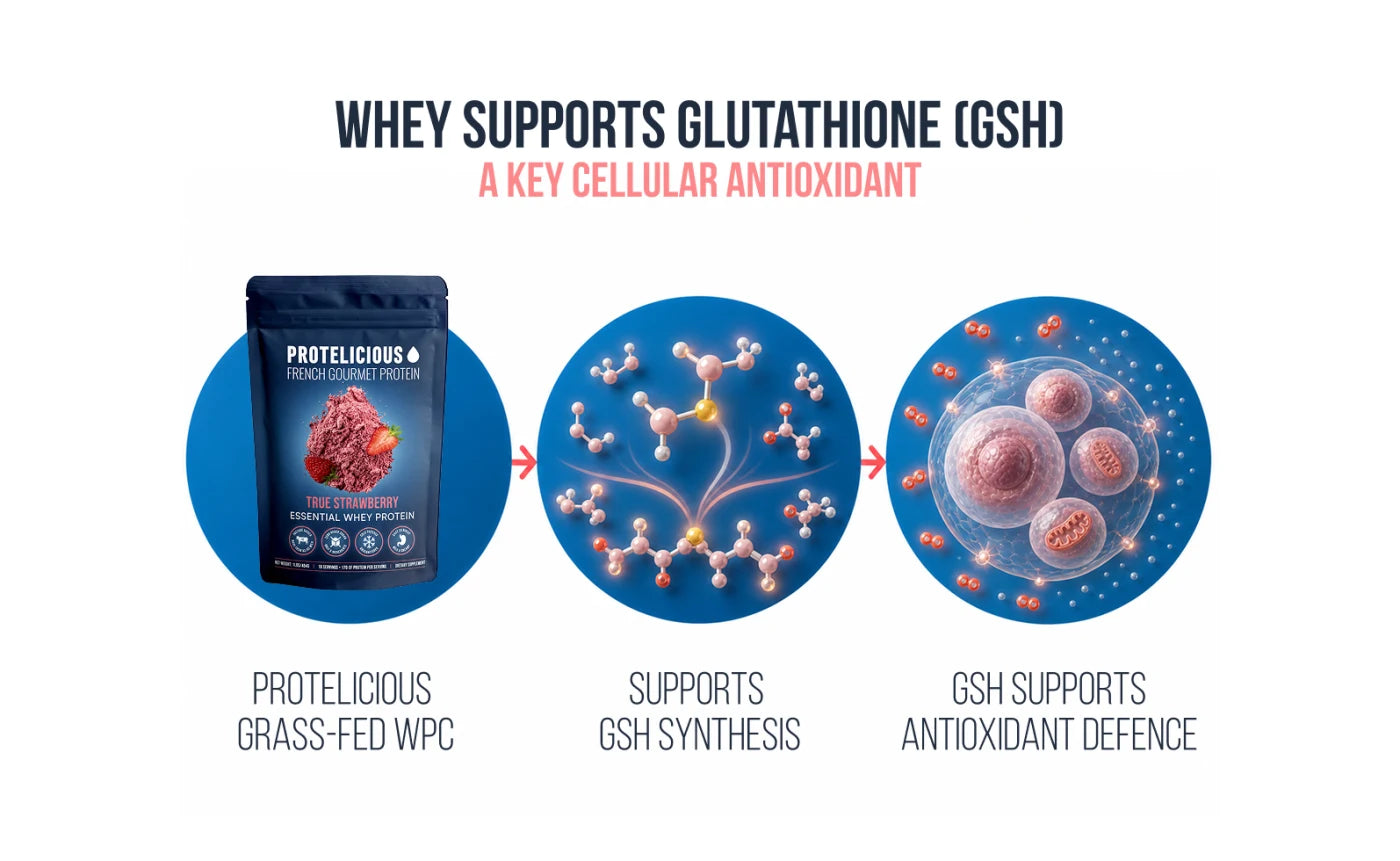
With its exceptional richness in sulfur-containing AAs (cysteine, methionine), Protelicious grass-fed whey will boost the synthesis of glutathione (GSH), which is the master antioxidant/anti-inflammatory compound in the body and regulates the oxidative status in all cells. GSH also regenerates other essential antioxidants like vitamins E and C (brought from food) when they are oxidized (thanks to the dehydroascorbic acid/DHA reductase enzyme in the presence of GSH) and is regenerated itself by enzymes in our body (glutathione reductase) (Vašková, J et al., 2023).
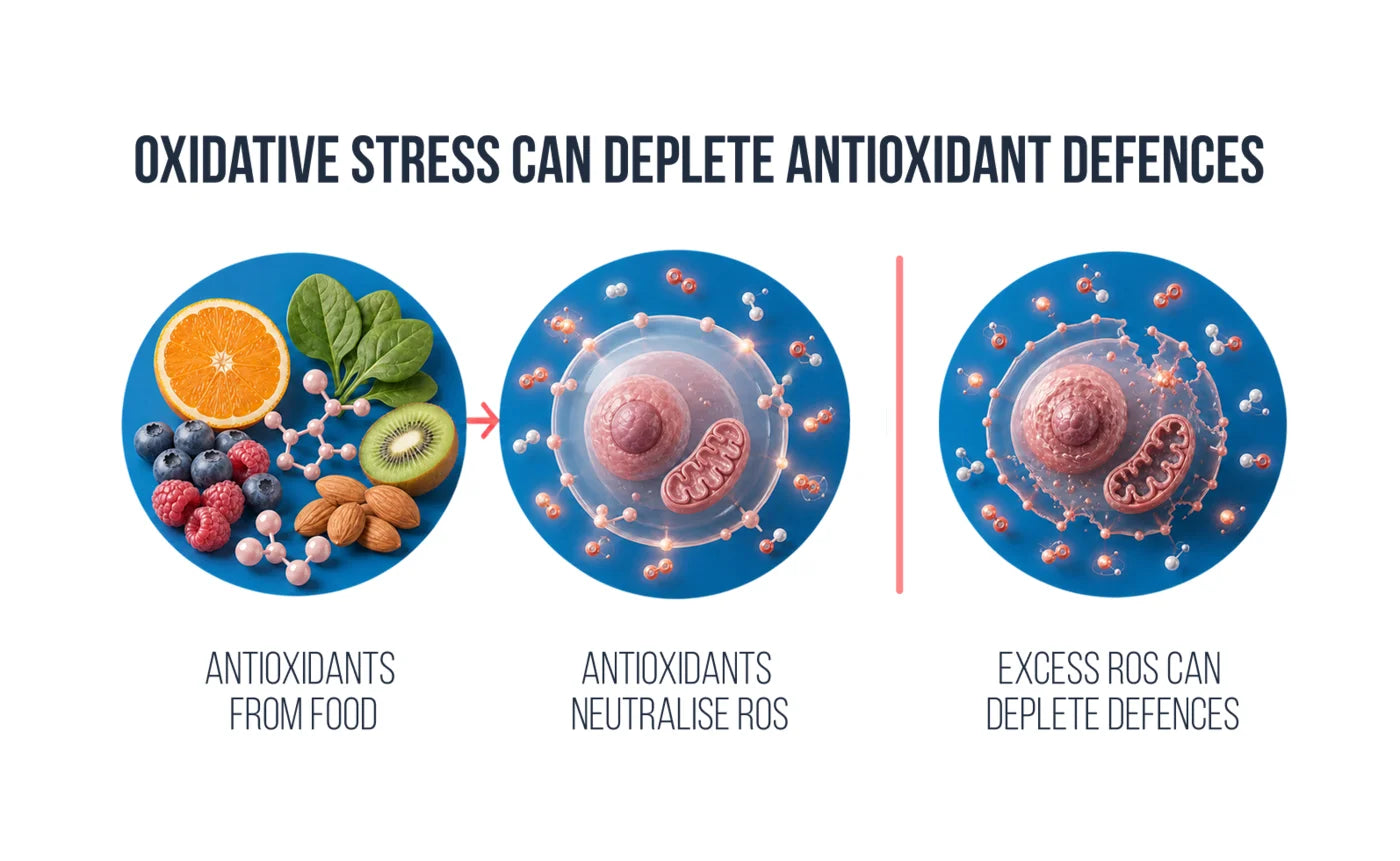
Indeed, antioxidants like vitamins, polyphenols/flavonoids present in fruit and vegetables and many supplements on the market can be beneficial in fighting against oxidation and ageing, but they are consumed or "burned" when the body is under an oxidation state, and they are not regenerated (Lesgards et al., 2005).
The antioxidant and anti-inflammatory components of quality whey help neutralize these inflammatory processes (Lesgards et al., 2023). This also prevents and improves sarcopenia (muscle loss after age 65), which is also linked to chronic inflammation (Rieu I et al., 2006).
However, not all whey proteins are created equal. Many commercial whey proteins available use industrialized production processes, which involve heating products at high temperatures for a particular time, as well as strong acid and base treatment, which are known to denature proteins and possibly oxidize a part of the AAs, thereby diminishing their function and ability to fulfill their purpose. Protelicious, however, uses a cold filtration process, ensuring all AAs remain intact and bioavailable upon reaching the consumer.
Improves detoxification processes
Improving GSH content in cells is crucial for detoxifying the body from thousands of toxic and aggressive compounds such as aldehydes, pesticides, heavy metals, and endocrine disruptors. Thus, whey intake may support detoxification; however, additional in vivo and clinical studies are needed to clearly establish its detoxification benefits.
GSH can be considered the best scavenger of the body and is very present in the liver, the great detoxifier organ. GSH has a natural affinity for binding these noxious molecules, and the enzyme glutathione transferase increases it up to 600 times, ultimately promoting the elimination of these compounds in urine.
Gut health
Gentle on the stomach and gut
The function of the gastrointestinal system is inseparably connected to the function of all the other organs in the body. Although we usually do not realize it, the gut is where you come into contact with the outside world to a more important extent than with skin and lungs. Indeed, the gut has a much larger surface area that is exposed to the outside world: between 250 and 500 m2, which is much more than the skin (1.7 m2) and lungs (140 m2 surface exchange). It is more than a tennis field (260 m2), and intestine length is around 6 meters. Its job is hard as it must not only keep harmful pathogens and toxins out of the body but also allow for food to enter the bloodstream, hence its importance as a possible source of ill health.
When the gastrointestinal system is damaged or inflamed, the body will have to use even more energy and resources to maintain a healthy gut and immune system. Over time as the body's resources become depleted, the gastrointestinal immune system will begin to malfunction, and subsequently, the entire body's immune system will malfunction. The result is frequent illness, asthma, eczema, and allergies.
Supports gut health by maintaining a healthy gut barrier and by regulating gut microbiota
Findings from animal and human studies indicate an increasingly recognized and critical role for dietary AAs in maintaining gut health and preventing intestinal diseases (Reeds PJ, 2000).
Protelicious whey fortifies the gut barrier (intestinal mucosa) thanks to glutamic acid, which is vital for glutamine synthesis. This fuels intestinal cells for energy, as glutamine, along with glutamate and aspartate, accounts for the majority of energy generated in the small intestine (Andrade ME et al., 2015) (Reeds PJ, 2000).
The intestinal wall is carpeted with little fingers called villi which are very well vascularized where the passage of nutrients occurs from gut to blood circulation. These villi are themselves covered by smaller structures of the same form called microvilli which form a brush border and permit an extraordinary surface of exchange between intestine and blood circulation.
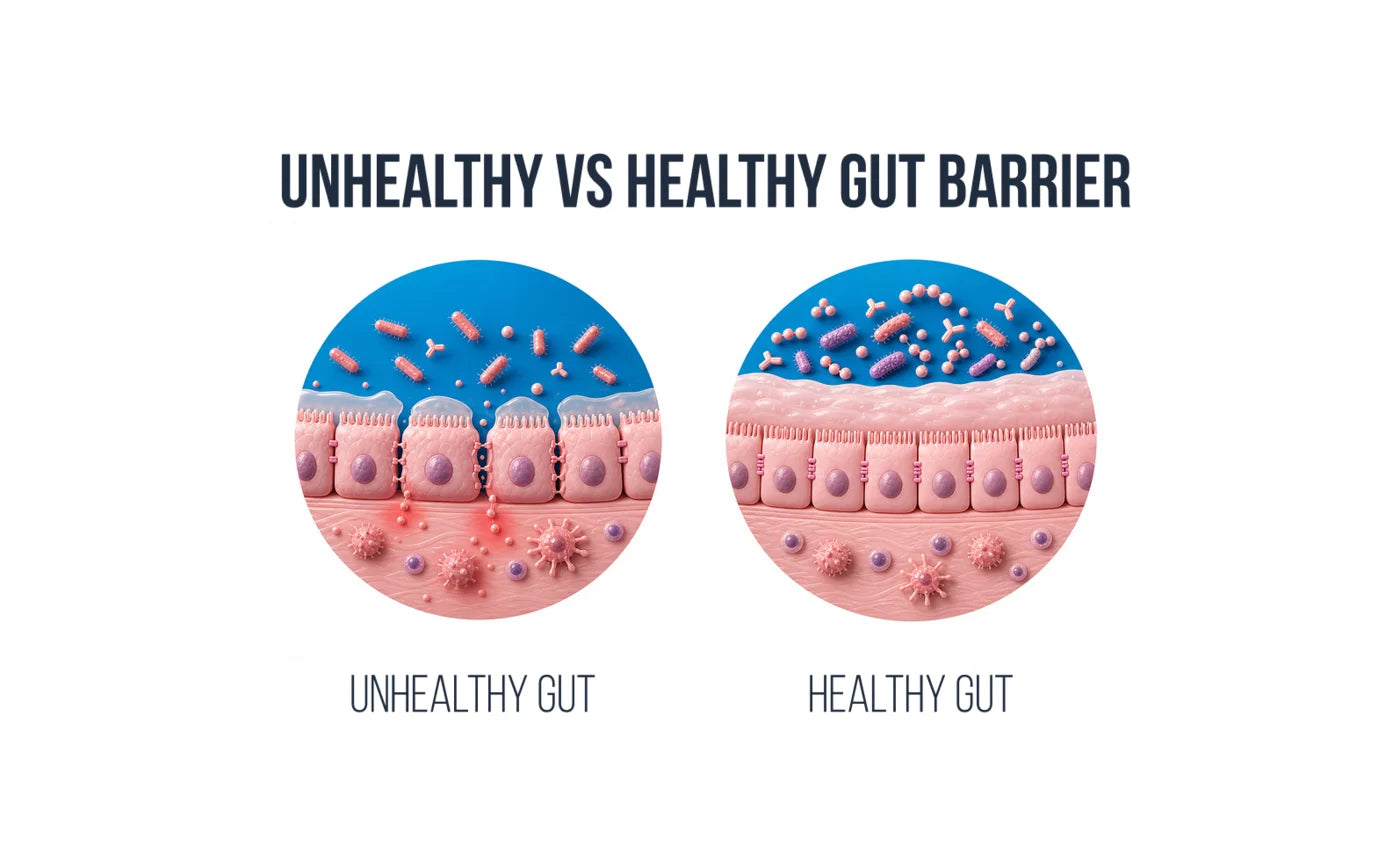
A healthy intestinal barrier where the junction between the cells is tight with one another (see "Microvilli (brush border) with electronic microscopy" above) is key for maintaining good digestion and gastrointestinal health, avoiding gut microbes, including potential pathogens and toxins from entering the bloodstream. In a normal healthy gut membrane, there is very limited transport through the tight junctions, forcing most substances to go through the cell in order to get into blood circulation. Leaky gut, or intestinal permeability, is a condition in which intestinal cells (bearing the microvilli) become damaged and lose their tightness, causing undigested food particles, toxins, allergens and bacteria to leak through the intestine and pass into the bloodstream (see above, cells on the right) (Lee SH, 2015) (Valenzano MC et al., 2015). These molecules and bacteria, once in the blood, can reach distant organs and cause inflammation, allergic reactions and auto-immune responses (Nagpal R et al., 2017). Also, glutamine together with cysteine for glutathione synthesis, counteract oxidation and inflammation of the gut barrier (Wang J et al., 2008) (Mondello S et al., 2010) and thus, the passage of toxins and bacteria in the bloodstream (Benjamin J et al., 2012).
Globally several studies support the potential therapeutic benefit of glutamine, glutamate, arginine, glycine, lysine, threonine, and the sulfur-containing AAs in gut-related disease (Wang W, 2009).
The major end products of methionine and cysteine metabolism are GSH, homocysteine and taurine, which play important roles in the intestinal immune response (Grimble 2006). (Bischoff SC et al., 2014). GSH in the gut lumen and gut cells (enterocytes) is of critical importance in maintaining normal intestinal function, in part, by protecting epithelial cells from damage by oxidants and fatty acid hydroperoxides (Aw et al. 1992).
Amino acids are also key to maintaining a balanced microbiota (a balanced mix of "good" and "bad" bacteria, fungi, and microorganisms) which is key for immunity and general health (Boscaini S et al., 2023).
The human body is host to a vast number of microbes, including bacterial, fungal and other microorganisms, which together constitute our microbiota or microbiome. The gut microbiota, which is by far the richest in the body, is sometimes called the forgotten organ and weighs between 1 and 2 kg. (O'Hara AM and Shanahan F, 2006). We have around 100 trillion (1014= 100 000 000 000 000) bacteria in our gut which is comparable to the number of cells in the whole body.
These bacteria flora are essential when it is well regulated. Among the important roles of these bacteria are:
- fermentation of non-digestible dietary residue
- participation in the synthesis of vitamin K (necessary for the coagulation process in blood) and the absorption of calcium, magnesium and iron
- protection against exogenous microorganisms
- prevent attachment and subsequent entrance in the blood of pathogen bacteria
- inhibit the growth of pathogenic bacteria through the synthesis of antimicrobial substances
The gut microbiota also contains other cells (archaea and fungi) and viruses (Minot S et al., 2011) (Hoffmann C et al., 2013).
Skin & hair
Provide hydration and soothing effect, acts in synergy with cosmetics
Enhances skin, nails and hair health: production of keratin and collagen
Consumption of whey protein provides essential AAs for the production of keratin and collagen which are key proteins in the skin, nails and hair structure for health, strength and appearance.

Keratin is the major protein (80%) produced by keratinocytes, the cells constituting 80-90% of the surface layer of skin epidermis, nails and hair. Cysteine is particularly abundant in keratin and whey is a very good supplier of sulfur AAs: cysteine and methionine.
Cysteine, along with methionine, is also one of the main constituents of hair, contributing to the formation of keratin for a quarter of the total (Labrozzi A. et al., 2020). Cysteine forms disulfide bridges (links between 2 cysteines through sulfur links: R-S-S-R), providing strength and rigidity to keratin. Consequently, the use of blends fortified with cysteine and methionine and cysteine and methionine-rich proteins promotes the repair of structural lesions and slows down hair loss (Goluch-Koniuszy ZS, 2016) (Trüeb RM, 2009). Lysine is also important, mainly present in the inner part of the hair root and contributes to hair shape and volume (Labrozzi A. et al., 2020).
Additionally, protein and whey protein intake, by stimulating the natural production of collagen and elastin in the dermis (under the epidermis), helps to make the skin plump and less sagging. The quality of the dermis is essential and useful for thermoregulation, healing and detoxification of the skin.
Also, the face has more than 50 muscles, and whey concentrate is the best protein food supplement for strengthening these muscles (Devries MC et al., 2015), contributing to their firmness.
Hydration and soothing effect, synergy with cosmetics
The Epidermis, the outermost layer of the skin, is where hydration of the skin occurs and keratinocytes retain water. Thus, whey intake, which supports keratin synthesis, has an impact on hydration, and it has been shown on atopic skin in clinical studies (Holvoet S et al., 2021) (Bergandi L et al., 2022) (Alyasin S et al., 2012).
Quality whey intake can also improve the antioxidant/anti-inflammatory potential of skin through the synthesis of glutathione (GSH) thanks to its sulfur AAs content.
Thus, whey intake can act in synergy with topical cosmetics in particular for hydration and soothing of skin and is efficient on atopic skin (Holvoet, S et al., 2021) (Bergandi L et al., 2022) (Alyasin S et al., 2012). Besides, whey-derived products are used for making pharmaceuticals, cosmetics and skincare products (Mehra, R et al., 2021).
PROTEIN ICE CREAM
A high-protein ice cream, engineered for health
Contributes to building a deliciously healthy habit through indulgent taste and texture
Introduction to our protein ice cream and its ingredients
Our gourmet ice cream delivers untapped science-based benefits with every delightful spoonful, contributing to the creation of deliciously healthy habits through indulgent taste and creamy texture.
Crafted with natural ingredients and a carefully selected blend of high-quality dairy proteins, our protein ice cream delivers 27–28 grams of protein per pint (9 g/serving). This protein content was achieved by combining Milk Protein Concentrate (MPC), naturally rich in casein, complemented by Protelicious' Essential Whey Protein, together with the proteins naturally present in milk and cream.
Casein and whey provide complementary amino acid profiles and together contribute to many of the nutritional benefits of dairy protein—from supporting muscle and bone health to satiety, body composition, gut health, and healthy skin and hair. We also use our Protelicious Gourmet Whey Protein, sourced from French pasture-raised cows and concentrated using cold-filtration processing designed to preserve its protein quality and amino acid profile.
In our ice creams, each flavor is made without added sugar and with a quality validated by chefs, which brings the pleasure of ice cream but avoids the addictive traps associated with sugar, which can be compared to an addiction. (DiNicolantonio JJ et al., 2018) (Lenoir M et al., 2007) Our protein ice cream stands out thanks to the process as well as the great quality of ingredients: the taste is excellent as recognized by various panels of testers, whether it's with our chefs-preferred Valrhona Cocoa Powder for True Deep Chocolate, premium summer-ripe strawberries for True Velvety Strawberry or Madagascar sourced vanilla for True Madagascar vanilla.
Protelicious Protein Ice Cream is unique, thanks to its process as well as the high quality of the ingredients and its health benefits.
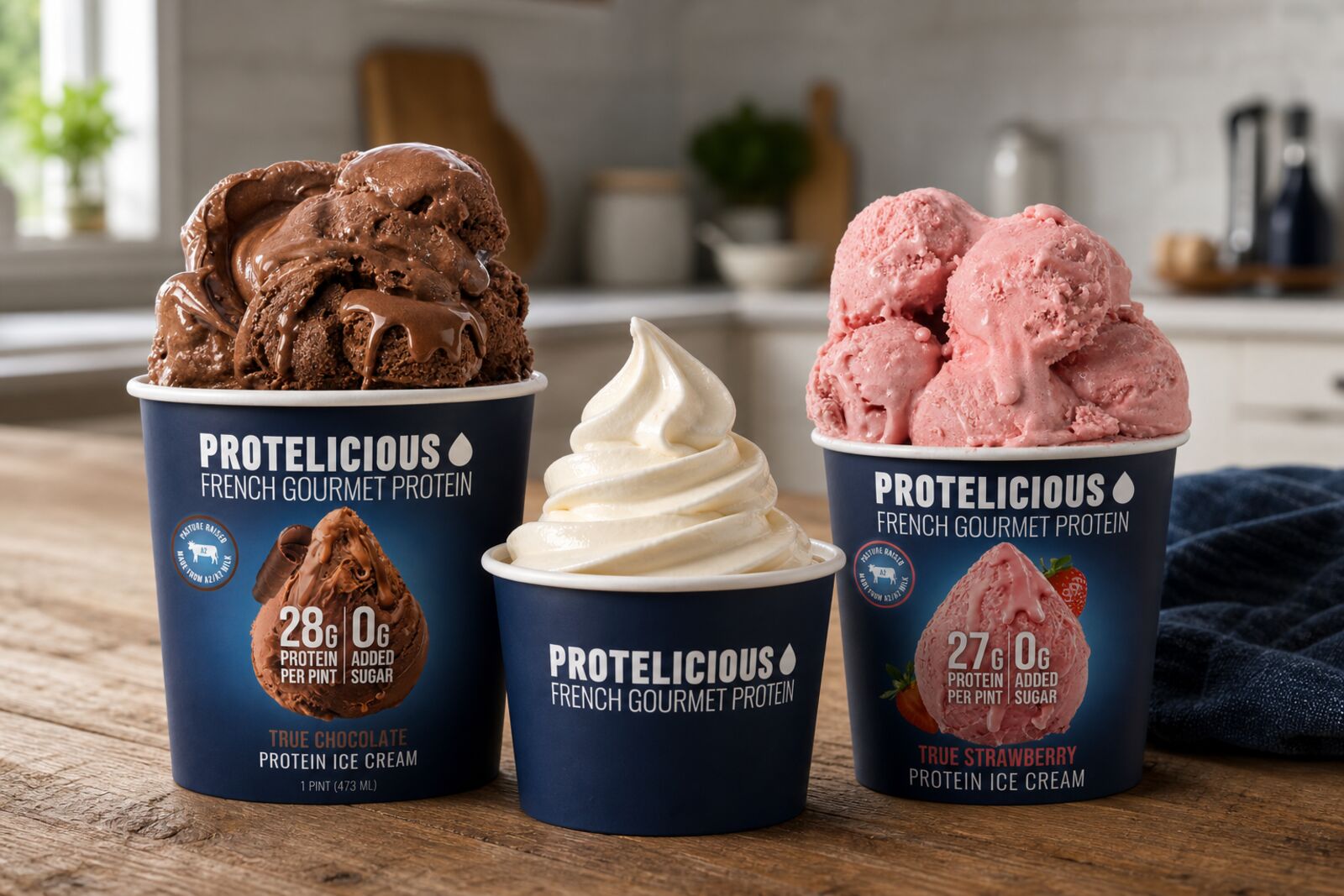
The food-tech breakthrough
The collaboration between the Protelicious R&D team, food specialists and our supplier has led to a significant breakthrough in the use of proteins and dairy proteins in particular, in ice creams. The final product contains a high level of total proteins (9-11 g/serving of 85 g or 27-28 grams per pint, i.e. around 10.5 % of proteins). It is far higher than all the products present on the market (at least 2 times: proteins are usually present at about 4% or less in ice cream).
This was a challenge because various teams in food technical research have highlighted for decades the difficulty of adding high levels of protein to ice cream. The difficulty is related to various parameters that have to be respected: homogeneity, viscosity, a good mix of the fats, normal ice crystal size and a good overrun (integration of air).
A study using vanilla ice cream at 4.8 g/80 g (0.96 g/80 g of whey protein and 3.84 g/80 g of casein) concluded that it was not possible to increase the whey protein content in the ice cream due to the difficulty of obtaining a stable emulsion (Maurotti S et al., 2023). This difficulty has pushed researchers to add ingredients other than whey (or another pure protein) alone but rather whey protein and phospholipid complex (WPPC) and delactosed permeate (DLP is the co-product generated during the separation of pre-crystallised lactose from milk and whey permeates) (Levin MA et al., 2022). Some others apply high hydrostatic pressure (HHP), particularly at 300 MPa for 15 min, to enhance the foaming properties of whey protein concentrate WPC (Lim SY, et al., 2008).
In almost all cases, ice cream manufacturers and food tech researchers add emulsifiers in particular polysorbate 80 and mono- and diglycerides (Goff H.D, 1997) and no researchers were able to integrate 10% of whey or total proteins without these emulsifiers. One team has successfully added (in a research study only) up to 7.18% of total proteins, but they concluded that at this percentage, the ice cream exhibited shrinkage defect after heat shock and that this defect might be prevented by the addition of different combinations of stabilizers, emulsifiers, or both to the mix (Patel MR t al., 2016).
Also, increasing protein in ice cream, like milk protein concentrate (casein and whey), significantly affects the taste because proteins have a poor palatability (taste) compared to fats and sugars (McDowell TK et al., 2022) and "whey off-flavor." We have also overcome that, as testified by various panels of testers, our chefs, and all the consumers so far.
Our work has led to a unique, homogeneous, excellent-textured ice cream made with around 10% high-quality dairy protein—including casein and whey—while maintaining the creamy texture and indulgent taste consumers expect from premium ice cream.

Diabetic & keto friendly
We have known for decades that the damages provoked by sugar on our health have been vastly underestimated compared with "bad fats", like cholesterol or saturated fat, whose harmful effects have been excessively pointed out. This major rectification towards more scientific truth has been published even in major scientific journals such as JAMA (Kearns CE et al., 2016). The sugar industry has constantly paid millions of US dollars since the 1950s for producing false information and studies in the field (Hass HB, 1954). Like in the New York Times, this has also been reported to the public and is clearly acknowledged today: "How the Sugar Industry Shifted Blame to Fat" (O'Connor A, Sept. 12, 2016). In fact, the real "bad fats" that have a clear negative impact on diabetes and cardiovascular diseases (CVDs) are essentially industrial processed fats and trans-fats (de Souza RJ et al., 2015).
So, sugar in food, and especially added sugar, is the real major health issue!
Our ice cream is suitable for diabetic people because:
- Our protein ice cream has an excellent carbohydrate profile (0 added sugar, which is really rare on the market) and a low net carbohydrate level
- Our protein ice cream has a reasonable level of valuable lipids, which is compatible with a keto diet

Our sweetener
Our high protein ice cream is sweetened with Monk Fruit and Allulose. Monk Fruit (Siraitia grosvenorii) is a green gourd native to Asia that acts as a natural sweetener thanks to its mogroside content (the safe glycoside active compound) without spiking insulin levels or bringing calories, providing excellent sweetness and taste to the ice cream and devoid of glucose and fructose.
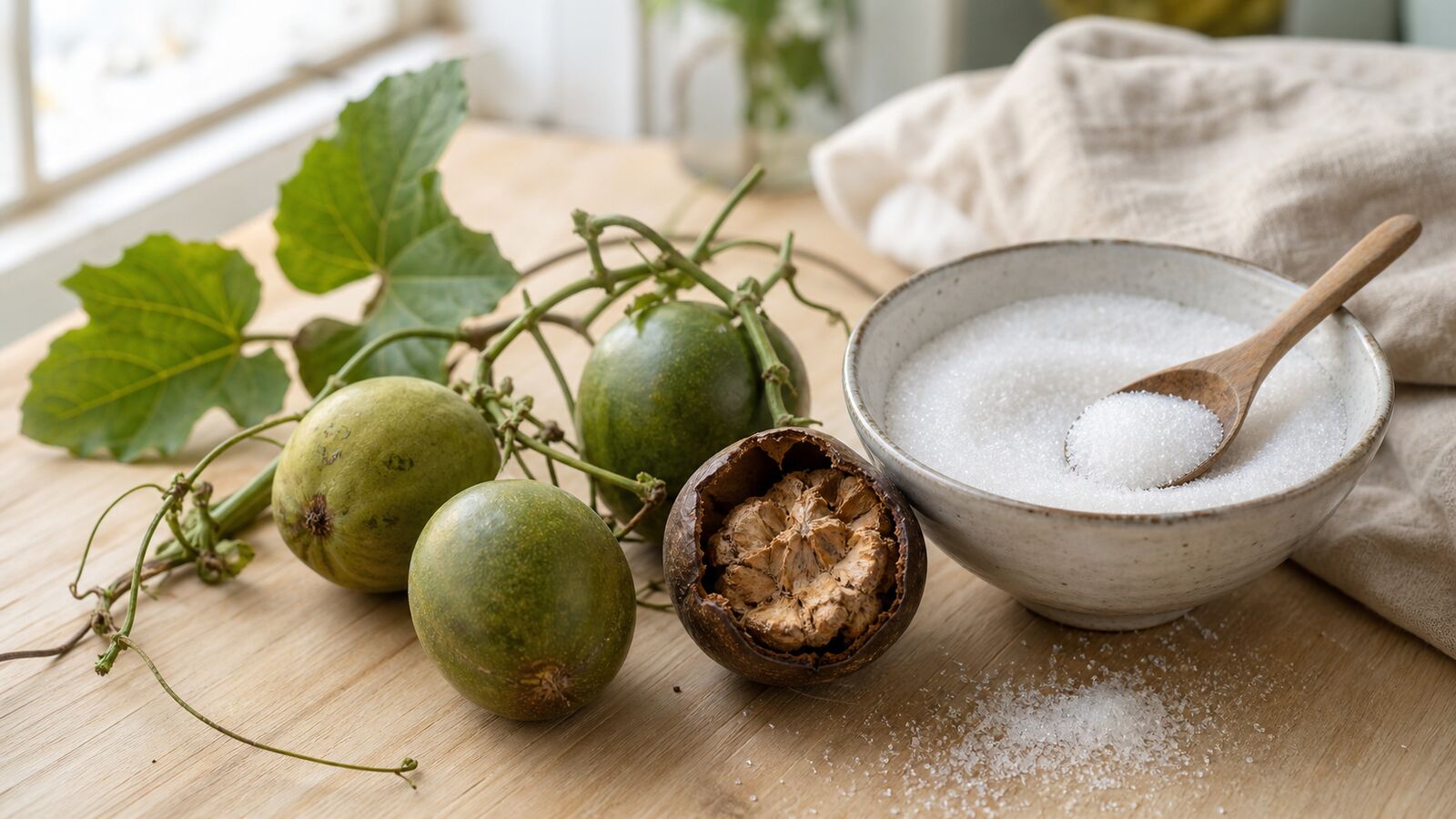
It is associated with allulose (D-allulose), a natural, almost completely non-caloric (0.4 calories/g) and very safe “rare sugar”, which does not affect blood sugar though having a similar taste and texture to table sugar. It is safe (Nishii N et al. 2017) (Hayashi N et al, 2010) and FDA approved (FDA). It’s about 70% as sweet as sugar, which is similar to the sweetness of erythritol, another popular sweetener (Xia Y et al., 2021). Although around 70% of the allulose you consume is absorbed into your blood through your digestive tract, it leaves your body via your urine without being used as fuel, while 30% of it is excreted in the feces (Xia Y et al., 2021).
D-allulose has been suggested to exert antiobesity, antihyperglycemic, antidiabetes, anti-inflammatory, antioxidant, and neuroprotective effects in animals and humans (Xia Y et al., 2021) (Nishii N et al. 2017) (Chen Z et al., 2022) (Hayashi N et al, 2010).
On fats
The fat content is reasonable and average when compared with other products on the market, and they are of good quality. Once again, natural non-processed fats (unsaturated and saturated) are necessary for the body as they are useful for membrane cells, energy for the heart and other organs, and essential for skin, brain etc. The problem for human health is the processed and industrial trans fats (de Souza RJ et al., 2015) and our protein ice cream does not contain industrially-produced trans fats associated with mortality and coronary heart disease (CHD) (de Souza RJ et al., 2015) (Bendsen NT et al., 2011) (Brouwer IA et al., 2010).
In conclusion, this excellent balance between the 3 macronutrients, especially for low net carbohydrates and healthy proteins with unique exceptional content, makes our ice cream a healthy and tasty choice for everybody. In addition, our protein ice cream is also compatible with keto diet followers and pre-diabetic and even diabetic people, together with new health benefits vs. other ice creams, which makes it a unique breakthrough on the market!
Healthy body weight
Feeling fuller longer: reduces sugar cravings
Clinical studies have consistently shown that diets low in protein trigger sugar cravings and obesity (Roberge JB et al., 2019) (Kim JE et al., 2016).
Dairy proteins can help promote satiety and the sensation of feeling fuller for longer. Both casein and whey have been shown to influence appetite, although they act somewhat differently—whey tends to produce a faster response, while casein is more slowly digested.
Both proteins can stimulate gut-derived hormones involved in signaling satiety to the brain, including GIP (glucose-dependent insulinotropic polypeptide), CCK (cholecystokinine), PYY (Peptide YY) or ghrelin and GLP-1 (glucagon-like-peptide-1) that circulate via both blood and nerves (vagus nerve) routes (Lesgards et al., 2023). This complementary combination of casein and whey is particularly relevant to our protein ice cream because our blend of Milk Protein Concentrate and Whey Protein Concentrate naturally provides both proteins. Several studies have even demonstrated that whey proteins have a better effect on appetite control than other protein sources such as eggs or soy (Hall W et al., 2003) (Anderson G et al., 2004) (Uhe A et al., 1992) (Tahavorgar A et al., 2014).
Mechanisms implicated in whey protein activity on postprandial glycemia reduction. GIP: glucose-dependent insulinotropic polypeptide; GLP-1: glucagon-like-peptide-1; CCK: cholecystokinin; PYY: peptide YY; DPP-IV: dipeptidyl peptidase-IV; BCAAs: branched-chain amino acids
Healthy body composition
Adequate protein intake is vital for maintaining muscle, bone and joint health and supporting strength as we age. Our protein ice cream boasts up to 28 grams of high-quality proteins in every pint, mainly from milk protein concentrate and whey protein concentrate.
The casein and whey proteins found in these dairy sources provide all of the essential amino acids and are particularly valuable sources of branched-chain amino acids (BCAAs), including leucine, which plays an important role in stimulating muscle protein synthesis and repair.
Casein and whey complement one another: whey is rapidly digested and provides amino acids quickly, while casein is digested more gradually, providing a more sustained release of amino acids. Together, alongside regular physical activity and adequate overall protein intake, they can help support the maintenance of lean muscle mass.

Easy on the stomach & gut
Our protein ice cream is smooth on the digestive system: it contains no inflammatory sugars (glucose, fructose), yet is high in quality proteins,the right type of fats (no processed trans fats) and fiber/prebiotics (inulin).
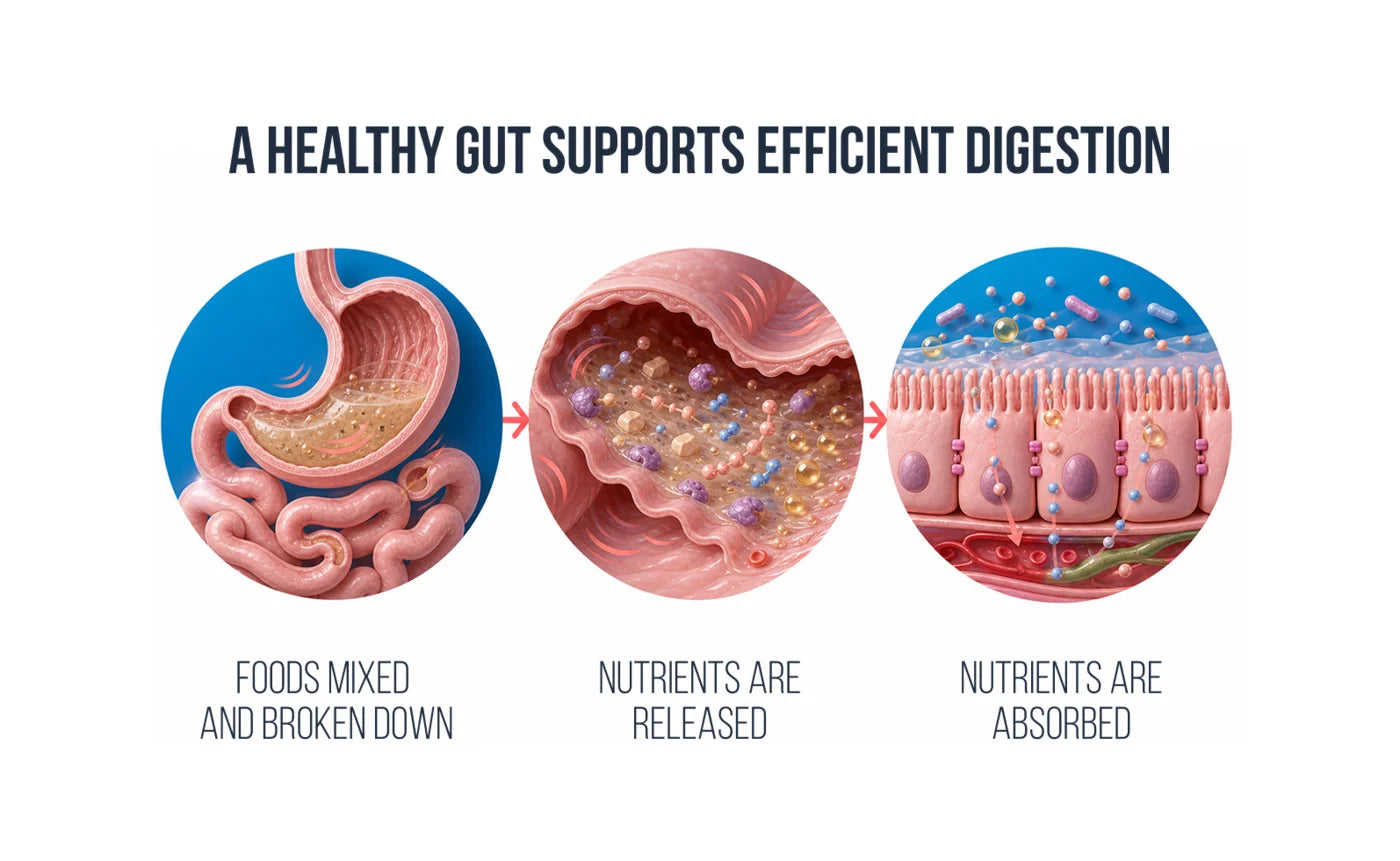
The rich amino acid profile of our protein ice cream's dairy proteins—including both casein and whey—can contribute to good digestion and gut health. Indeed, a healthy and functional intestine relies on 2 things: a healthy barrier/mucosa and a balanced microbiota.
A healthy barrier/mucosa is a thin, continuous, protective layer of compactly packed cells (epithelium) and a balanced intestinal microbiota (a balanced mix of "good" and "bad" bacteria, fungi and microorganisms). For the gut barrier, glutamic acid, which synthesizes glutamine, the fuel of intestinal cells, is necessary. Arginine, is useful for gut membrane protection and antioxidant and anti-inflammatory benefits, and methionine and cysteine, which are key antioxidant and anti-inflammatory amino acids.
Amino acids are also essential for maintaining a balanced microbiota (a balanced mix of "good" and "bad" bacteria, fungi, and microorganisms), a thriving powerhouse that contributes significantly to our immune system, making up approximately 70% of our body's defense mechanism and impacts digestion (Reeds PJ and Burrin DG, 2020) (Boscaini S et al., 2023).
Furthermore, our protein ice cream is free from added sugar which promotes inflammation, but contains high-quality fats and gut-nurturing prebiotic fiber through inulin for digestibility. Natural sweeteners Monk Fruit and Allulose add subtle sweetness and antioxidants. Beyond indulgence, our protein ice cream is a deliciously creamy ice cream that supports gut health and overall wellness. Experience immediate joy and smooth digestion with every spoonful.
Finally, our protein ice cream also contains a significant amount of fiber, in particular, inulin which is a fiber/prebiotic good for gut microbiota (Qin YQ et al., 2023) (Vandeputte D et al., 2017) (Roy S and Dhaneshwar S, 2023).
Behind the science
The clinicians who stand behind it
Dr Allan Chiunda
Final science-gate on every claim that appears on this site. All clinical language passes through Dr Chiunda before publishing.
Dr Jean-François Lesgards
Ph.D. in Chemistry and Biochemistry from Aix-Marseille University. 30 years of fundamental and clinical research in nutrition and chronic inflammatory diseases. The scientific architecture behind Protelicious.
Evidence base
Peer-reviewed references
Full reference list (87 citations)
- Alyasin S, Nabavizadeh SH, Esmaeilzadeh H, Heydari ST, Mosavat SH, Parvizi MM, Hashemi SM, Hashempur MH. Efficacy of oral supplementation of whey protein in patients with contact dermatitis: A pilot randomized double-blind placebo-controlled clinical trial. Dermatol Ther. 2020 Nov;33(6):e14260. https://onlinelibrary.wiley.com/doi/10.1111/dth.14260
- Anderson, G.H.; Tecimer, S.N.; Shah, D.; Zafar, T.A. Protein source, quantity, and time of consumption determine the effect of proteins on short-term food intake in young men. J. Nutr. 2004, 134, 3011–3015. https://www.sciencedirect.com/science/article/pii/S002231662302881X?via%3Dihub
- Andrade ME, Araujo RS, de Barros PA, Soares AD, Abrantes FA, Generoso Sde V, et al. The role of immunomodulators on intestinal barrier homeostasis in experimental models. Clin Nutr 2015;34: 1080–7. https://www.sciencedirect.com/science/article/pii/S0022316622083043?via%3Dihub
- Aw TY, Williams MW, Gray L. Absorption and lymphatic transport of peroxidized lipids by rat small intestine in vivo: role of mucosal GSH. Am J Physiol. 1992 Jan;262(1 Pt 1):G99-106. https://journals.physiology.org/doi/abs/10.1152/ajpgi.1992.262.1.G99
- Benjamin J, Makharia G, Ahuja V, Anand Rajan KD, Kalaivani M, Gupta SD, Joshi YK. Glutamine and whey protein improve intestinal permeability and morphology in patients with Crohn's disease: a randomized controlled trial. Dig Dis Sci. 2012 Apr;57(4):1000-12. https://link.springer.com/article/10.1007/s10620-011-1947-9
- Bergandi L, Flutto T, Valentini S, Thedy L, Pramotton R, Zenato S, Silvagno F. Whey Derivatives and Galactooligosaccharides Stimulate the Wound Healing and the Function of Human Keratinocytes through the NF-kB and FOXO-1 Signaling Pathways. Nutrients. 2022 Jul 14;14(14):2888. https://www.mdpi.com/2072-6643/14/14/2888
- Bischoff SC, Barbara G, Buurman W, Ockhuizen T, Schulzke JD, Serino M, et al.(2014). Intestinal permeability–a new target for disease prevention and therapy. BMC Gastroenterol. 14:189. https://bmcgastroenterol.biomedcentral.com/articles/10.1186/s12876-014-0189-7
- Boscaini S, Skuse P, Nilaweera KN, Cryan JF, Cotter PD. The 'Whey' to good health: Whey protein and its beneficial effect on metabolism, gut microbiota and mental health. Trends in Food Science & Technology, Volume 133, 2023, Pages 1-14. https://www.researchgate.net/publication/367149024_The_'Whey'_to_good_health_Whey_protein_and_its_beneficial_effect_on_metabolism_gut_microbiota_and_mental_health
- Bumrungpert A, Pavadhgul P, Nunthanawanich P, Sirikanchanarod A, Adulbhan A. Whey Protein Supplementation Improves Nutritional Status, Glutathione Levels, and Immune Function in Cancer Patients: A Randomized, Double-Blind Controlled Trial. J Med Food. 2018 Jun;21(6):612-616. https://www.liebertpub.com/doi/10.1089/jmf.2017.4080
- Dai ZL, Wu G, Zhu WY. Amino acid metabolism in intestinal bacteria: links between gut ecology and host health. Front Biosci (Landmark Ed). 2011 Jan 1;16:1768-86. https://www.imrpress.com/journal/FBL/16/5/10.2741/3820
- Davies RW, Carson BP, Jakeman PM. The Effect of Whey Protein Supplementation on the Temporal Recovery of Muscle Function Following Resistance Training: A Systematic Review and Meta-Analysis. Nutrients. 2018 Feb 16;10(2):221. https://www.mdpi.com/2072-6643/10/2/221
- De Flora S., Grassi C., Carati L. Attenuation of influenza-like symptomatology and improvement of cell-mediated immunity with long-term N-acetylcysteine treatment. Eur. Respir. J. 1997;10:1535–1541. https://erj.ersjournals.com/content/10/7/1535
- de Souza RJ, Mente A, Maroleanu A, Cozma AI, Ha V, Kishibe T, Uleryk E, Budylowski P, Schünemann H, Beyene J, Anand SS. Intake of saturated and trans unsaturated fatty acids and risk of all cause mortality, cardiovascular disease, and type 2 diabetes: systematic review and meta-analysis of observational studies. BMJ. 2015 Aug 11;351:h3978. https://www.bmj.com/content/351/bmj.h3978
- Devries, M.C.; Phillips, S.M. Supplemental protein in support of muscle mass and health: advantage whey. J Food Sci 2015, 80 Suppl 1, A8-A15. https://doi.org/10.1111/1750-3841.12802
- Dröge W, Breitkreutz R. Glutathione and immune function. Proc. Nutr. Soc. 2000;59:595–600. https://www.cambridge.org/core/journals/proceedings-of-the-nutrition-society/article/glutathione-and-immune-function/39488A395CB25E88283204A938A4CBD9
- Frid, A.H.; Nilsson, M.; Holst, J.J.; Björck, I.M. Effect of whey on blood glucose and insulin responses to composite breakfast and lunch meals in type 2 diabetic subjects. Am. J. Clin. Nutr. 2005, 82, 69–75. https://www.sciencedirect.com/science/article/pii/S0002916523295118?via%3Dihub
- Fujita S, Volpi E. Amino acids and muscle loss with aging. J Nutr 2006;136:277S–80S. https://www.sciencedirect.com/science/article/pii/S002231662208049X?via%3Dihub
- Gallo V, Giansanti F, Arienzo A, Antonini G. Antiviral properties of whey proteins and their activity against SARS-CoV-2 infection. J Funct Foods. 2022 Feb;89:104932. https://www.sciencedirect.com/science/article/pii/S1756464622000020?via%3Dihub
- Geiler J., Michaelis M., Naczk P., Leutz A., Langer K., Doerr H.W., Cinatl J., Jr. N-acetyl-l-cysteine (NAC) inhibits virus replication and expression of pro-inflammatory molecules in A549 cells infected with highly pathogenic H5N1 influenza A virus. Biochem. Pharmacol. 2010;79:413–420. https://www.sciencedirect.com/science/article/abs/pii/S000629520900728X?via%3Dihub
- Ghezzi P. Role of glutathione in immunity and inflammation in the lung. Int J Gen Med. 2011 Jan 25;4:105-13. https://www.dovepress.com/role-of-glutathione-in-immunity-and-inflammation-in-the-lung-peer-reviewed-fulltext-article-IJGM
- Goluch-Koniuszy ZS. Nutrition of women with hair loss problem during the period of menopause. Prz Menopauzalny. 2016 Mar;15(1):56-61. https://www.termedia.pl/Nutrition-of-women-with-hair-loss-problem-during-the-period-of-menopause,4,27186,0,1.html
- Grimble RF (2006) The effects of sulfur amino acids intake on immune function in humans. J Nutr 136:1660S–1665S. https://www.sciencedirect.com/science/article/pii/S0022316622083043?via%3Dihub
- Hall, W.L.; Millward, D.J.; Long, S.J.; Morgan, L.M. Casein and whey exert different effects on plasma amino acid profiles, gastrointestinal hormone secretion and appetite. Br. J. Nutr. 2003, 89, 239–248. https://www.cambridge.org/core/journals/british-journal-of-nutrition/article/casein-and-whey-exert-different-effects-on-plasma-amino-acid-profiles-gastrointestinal-hormone-secretion-and-appetite/421C6E92A7A2D17069DA694F87CF0A2A
- Heaney RP, Layman DK. Amount and type of protein influences bone health. Am J Clin Nutr. 2008 May;87(5):1567S-1570S. https://www.sciencedirect.com/science/article/pii/S0002916523236667?via%3Dihub
- Hoffmann C, Dollive S, Grunberg S, Chen J, Li H, Wu GD, Lewis JD, Bushman FD. Archaea and fungi of the human gut microbiome: correlations with diet and bacterial residents. PLoS One. 2013 Jun 17;8(6):e66019. https://journals.plos.org/plosone/article?id=10.1371/journal.pone.0066019
- Holvoet, S.; Nutten, S.; Dupuis, L.; Donnicola, D.; Bourdeau, T.; Hughes-Formella, B.; Simon, D.; Simon, H.-U.; Carvalho, R.S.; Spergel, J.M.; et al. Partially Hydrolysed Whey-Based Infant Formula Improves Skin Barrier Function. Nutrients 2021, 13, 3113. https://doi.org/10.3390/nu13093113
- Hulmi JJ, Lockwood CM, Stout JR. Effect of protein/essential amino acids and resistance training on skeletal muscle hypertrophy: A case for whey protein. Nutr Metab (Lond). 2010 Jun 17;7:51. https://nutritionandmetabolism.biomedcentral.com/articles/10.1186/1743-7075-7-51
- Jain, S.K. L-cysteine supplementation as an adjuvant therapy for type-2 diabetes. Can. J. Physiol. Pharmacol. 2012, 90, 1061–1064. https://cdnsciencepub.com/doi/10.1139/y2012-087
- Jennings A, MacGregor A, Spector T, Cassidy A. Amino Acid Intakes Are Associated With Bone Mineral Density and Prevalence of Low Bone Mass in Women: Evidence From Discordant Monozygotic Twins. J Bone Miner Res. 2016 Feb;31(2):326-35. https://academic.oup.com/jbmr/article/31/2/326/7605577
- Kearns CE, Schmidt LA, Glantz SA. Sugar Industry and Coronary card Disease Research: A Historical Analysis of Internal Industry Documents. JAMA Intern Med. 2016 Sep 12. https://jamanetwork.com/journals/jamainternalmedicine/fullarticle/2548255
- Kim JE, O'Connor LE, Sands LP, Slebodnik MB, Campbell WW. Effects of dietary protein intake on body composition changes after weight loss in older adults: a systematic review and meta-analysis. Nutr Rev. 2016 Mar;74(3):210-24. https://academic.oup.com/nutritionreviews/article/74/3/210/1825906?login=false
- Labrozzi A. (2020) Nutrients in Hair Supplements: Evaluation of their Function in Hair Loss Treatment. Hair Ther Transplant 10:150. https://www.longdom.org/open-access/nutrients-in-hair-supplements-evaluation-of-their-function-in-hair-loss-treatment-45472.html
- Lee SH. Intestinal permeability regulation by tight junction: implication on inflammatory bowel diseases. Intestinal research. 2015; 13(1):11–8. https://irjournal.org/journal/view.php?doi=10.5217/ir.2015.13.1.11
- Lesgards JF, Durand P, Lassarre M, Stocker P, Lesgards G, Lanteaume A, Prost M, Lehucher-Michel MP. Assessment of lifestyle effects on the overall antioxidant capacity of healthy subjects. Environ Health Perspect. 2002 May;110(5):479-86. https://ehp.niehs.nih.gov/doi/10.1289/ehp.02110479
- Lesgards JF, Lehucher-Michel MP, Vidal N, Prost M, Stocker P. Assessment of antioxidative activity of lipid- and water-soluble vitamins in human whole blood. Comparative analysis between a biological test and chemical methods. Int J Vitam Nutr Res. 2005 Jan;75(1):11-8. https://econtent.hogrefe.com/doi/10.1024/0300-9831.75.1.11
- Lesgards, J.F. Benefits of Whey Proteins on Type 2 Diabetes Mellitus Parameters and Prevention of Cardiovascular Diseases. Nutrients 2023, 15, 1294. https://doi.org/10.3390/nu15051294
- Madureira, AR; Pereira, CI; Gomes, AMP; Pintado, ME; Xavier, Malcata F. Bovine whey proteins – Overview on their main biological properties. Food Res Int 2007, 40, 1197–211. https://doi.org/10.1016/j.foodres.2007.07.005
- Markus CR, Olivier B, Panhuysen GE, Van Der Gugten J, Alles MS, Tuiten A, Westenberg HG, Fekkes D, Koppeschaar HF, de Haan EE. The bovine protein alpha-lactalbumin increases the plasma ratio of tryptophan to the other large neutral amino acids, and in vulnerable subjects raises brain serotonin activity, reduces cortisol concentration, and improves mood under stress. Am J Clin Nutr. 2000 Jun;71(6):1536-44. https://www.sciencedirect.com/science/article/pii/S0002916523071976?via%3Dihub
- Markus CR, Olivier B, de Haan EH. Whey protein rich in alpha-lactalbumin increases the ratio of plasma tryptophan to the sum of the other large neutral amino acids and improves cognitive performance in stress-vulnerable subjects. Am J Clin Nutr. 2002 Jun;75(6):1051-6. https://www.sciencedirect.com/science/article/pii/S000291652306241X?via%3Dihub
- Mehra, R.; Kumar, H.; Kumar, N.; Ranvir, S.; Jana, A.; Buttar, H.S.; Telessy, I.G.; Awuchi, C.G.; Okpala, C.O.R.; Korzeniowska, M.; et al. Whey Proteins Processing and Emergent Derivatives: An Insight Perspective from Constituents, Bioactivities, Functionalities to Therapeutic Applications. J. Funct. Foods 2021, 87, 104760. https://doi.org/10.1016/j.jff.2021.104760
- Mignone, L.E.; Wu, T.; Horowitz, M.; Rayner, C.K. Whey protein: The "whey" forward for treatment of type 2 diabetes. World J. Diabetes 2015, 6, 1274–1284. https://www.researchgate.net/publication/283286568_Whey_protein_The_whey_forward_for_treatment_of_type_2_diabetes
- Minot S, Sinha R, Chen J, Li H, Keilbaugh SA, Wu GD, Lewis JD, Bushman FD. The human gut virome: inter-individual variation and dynamic response to diet. Genome Res. 2011 Oct;21(10):1616-25. https://genome.cshlp.org/content/21/10/1616
- Mondello S, Galuppo M, Mazzon E, Domenico I, Mondello P, Carmela A, et al. Glutamine treatment attenuates the development of ischaemia/reperfusion injury of the gut. Eur J Pharmacol 2010; 643:304–15. https://linkinghub.elsevier.com/retrieve/pii/S0014299910006357
- Morris D, Khurasany M, Nguyen T, Kim J, Guilford F, Mehta R, Gray D, Saviola B, Venketaraman V. Glutathione and infection. Biochim Biophys Acta. 2013 May;1830(5):3329-49. https://www.sciencedirect.com/science/article/abs/pii/S0304416512002929?via%3Dihub
- Muri J, Kopf M. Redox regulation of immunometabolism. Nat Rev Immunol. 2021 Jun;21(6):363-381. https://www.nature.com/articles/s41577-020-00478-8
- Nagpal R, Yadav H. Bacterial Translocation from the Gut to the Distant Organs: An Overview. Ann Nutr Metab. 2017;71 Suppl 1:11-16. https://karger.com/anm/article-abstract/71/Suppl.%201/11/42330/Bacterial-Translocation-from-the-Gut-to-the?redirectedFrom=fulltext
- Nencioni L, Iuvara A, Aquilano K, Ciriolo MR, Cozzolino F, Rotilio G, Garaci E, Palamara AT. Influenza A virus replication is dependent on an antioxidant pathway that involves GSH and Bcl-2. FASEB J. 2003;17:758–760. https://faseb.onlinelibrary.wiley.com/doi/epdf/10.1096/fj.02-0508fje
- O'Connor A, Sept. 12, 2016. How the Sugar Industry Shifted Blame to Fat. http://www.nytimes.com/2016/09/13/well/eat/how-the-sugar-industry-shifted-blame-to-fat.html?_r=0
- O'Hara AM, Shanahan F. The gut flora as a forgotten organ. EMBO Rep. 2006 Jul;7(7):688-93. https://www.embopress.org/doi/full/10.1038/sj.embor.7400731
- Reeds PJ, Burrin DG. The gut and amino acid homeostasis. Nutrition 2000;16:666–8.
- Rieu I, Balage M, Sornet C, Giraudet C, Pujos E, Grizard J, Mosoni L and Dardevet D. Leucine supplementation improves muscle protein synthesis in elderly men independently of hyperaminoacidaemia. J Physiol 575.1 (2006) pp 305–315 305. https://physoc.onlinelibrary.wiley.com/doi/epdf/10.1113/jphysiol.2006.110742
- Roberge JB, Van Hulst A, Barnett TA, Drapeau V, Benedetti A, Tremblay A, et al. Lifestyle habits, dietary factors, and the metabolically unhealthy obese phenotype in youth. J Pediatr. 2019;204:46–52.e1. https://www.jpeds.com/article/S0022-3476(18)31237-X/abstract
- Sakelliou A, Fatouros IG, Athanailidis I, Tsoukas D, Chatzinikolaou A, Draganidis D, Jamurtas AZ, Liacos C, Papassotiriou I, Mandalidis D, Stamatelopoulos K, Dimopoulos MA, Mitrakou A. Evidence of a Redox-Dependent Regulation of Immune Responses to Exercise-Induced Inflammation. Oxid Med Cell Longev. 2016;2016:2840643. https://www.hindawi.com/journals/omcl/2016/2840643/
- Tahavorgar A, Vafa M, Shidfar F, Gohari M, Heydari I. Whey protein preloads are more beneficial than soy protein preloads in regulating appetite, calorie intake, anthropometry, and body composition of overweight and obese men. Nutr Res. 2014 Oct;34(10):856-61. https://www.sciencedirect.com/science/article/abs/pii/S0271531714001663?via%3Dihub
- Trüeb RM. Oxidative stress in ageing of hair. Int J Trichology. 2009 Jan;1(1):6-14. https://www.mdpi.com/1420-3049/23/3/575
- Uhe, A.M.; Collier, G.R.; O'Dea, K. A comparison of the effects of beef, chicken and fish protein on satiety and amino acid profiles in lean male subjects. J. Nutr. 1992, 122, 467–472. https://www.sciencedirect.com/science/article/abs/pii/S002231662304590X?via%3Dihub
- Valenzano MC, DiGuilio K, Mercado J, Teter M, To J, Ferraro B, et al. Remodeling of Tight Junctions and Enhancement of Barrier Integrity of the CACO-2 Intestinal Epithelial Cell Layer by Micronutrients. PloS one. 2015; 10(7):e0133926. https://journals.plos.org/plosone/article?id=10.1371/journal.pone.0133926
- Vašková, J.; Kočan, L.; Vaško, L.; Perjési, P. Glutathione-Related Enzymes and Proteins: A Review. Molecules 2023, 28, 1447. https://doi.org/10.3390/molecules28031447
- Wang J, Chen L, Li P, Li X, Zhou H, Wang F, et al. Gene expression is altered in piglet small intestine by weaning and dietary glutamine supplementation. J Nutr 2008;138:1025–32. https://www.sciencedirect.com/science/article/pii/S0022316622098145?via%3Dihub
- Wang W, Qiao S, Li D. Amino acids and gut function. Amino Acids 2009;37:105–10. https://link.springer.com/article/10.1007/s00726-008-0152-4
- Wu G, Meier SA, Knabe DA. Dietary glutamine supplementation prevents jejunal atrophy in weaned pigs. J Nutr 1996;126: 2578–84. https://www.sciencedirect.com/science/article/abs/pii/S0899900700003543?via%3Dihub
- Protein Ice Cream: Science-Based Health Benefits
- Bendsen NT, Christensen R, Bartels EM, Astrup A. Consumption of industrial and ruminant trans fatty acids and risk of coronary heart disease: a systematic review and meta-analysis of cohort studies. Eur J Clin Nutr 2011;65:773-83. https://www.nature.com/articles/ejcn201134
- Brouwer IA, Wanders AJ, Katan MB. Effect of animal and industrial trans fatty acids on HDL and LDL cholesterol levels in humans—a quantitative review. PLoS One 2010;5:e9434. https://journals.plos.org/plosone/article?id=10.1371/journal.pone.0009434
- CDC. National Diabetes Statistics Report. (2020). https://www.cdc.gov/diabetes/pdfs/data/statistics/national-diabetes-statistics-report.pdf
- DiNicolantonio JJ, O'Keefe JH, Wilson WL. Sugar addiction: is it real? A narrative review. Br J Sports Med. 2018 Jul;52(14):910-913. https://bjsm.bmj.com/content/52/14/910
- Kanikarla-Marie P, Micinski D, Jain SK. Hyperglycemia (high-glucose) decreases L-cysteine and glutathione levels in cultured monocytes and blood of Zucker diabetic rats. Mol Cell Biochem. 2019 Sep;459(1-2):151-156. https://link.springer.com/article/10.1007/s11010-019-03558-z
- Goff HD. Milk proteins in ice cream. In: McSweeney P., O'Mahony J., editors. Advanced Dairy Chemistry. Springer; New York, NY, USA: 2016. pp. 329–345. https://link.springer.com/chapter/10.1007/978-1-4939-2800-2_13
- Hass HB. What's new in sugar research. Proceedings of the American Society of Sugar Beet Technologists. 1954. https://bsdf-assbt.org/wp-content/uploads/2018/01/ASSBTVol8p15to22WhatsNewinSugarResearch.pdf
- Lenoir M, Serre F, Cantin L, Ahmed SH. Intense sweetness surpasses cocaine reward. PLoS One. 2007 Aug 1;2(8):e698. https://journals.plos.org/plosone/article?id=10.1371/journal.pone.0000698
- Levin MA, Burrington KJ, Hartel RW. Whey protein phospholipid concentrate and delactosed permeate: Applications in caramel, ice cream, and cake. J Dairy Sci. 2016 Sep;99(9):6948-6960. https://www.journalofdairyscience.org/article/S0022-0302(16)30381-2/fulltext
- Lim SY, Swanson BG, Ross CF, Clark S. High hydrostatic pressure modification of whey protein concentrate for improved body and texture of lowfat ice cream. J Dairy Sci. 2008 Apr;91(4):1308-16. https://www.journalofdairyscience.org/article/S0022-0302(08)71258-X/fulltext
- Maurotti S, Ferro Y, Pujia R, Frosina M, Sciacqua A, Mare R, Mazza E, Geirola N, Romeo S, Pujia A, Montalcini T. Effects of a Functional Ice Cream Enriched with Milk Proteins on Bone Metabolism: A Feasibility Clinical Study and In Vitro Investigation. Nutrients. 2023 Jan 10;15(2):344. https://www.mdpi.com/2072-6643/15/2/344
- McDowell TK, Lowe J, McSweeney MB. Acceptability of thickened and protein-enhanced ice cream for use in long-term care facilities. J Texture Stud. 2022 Sep;53(5):647-653. https://onlinelibrary.wiley.com/doi/10.1111/jtxs.12712
- Patel MR, Baer RJ, Acharya MR. Increasing the protein content of ice cream. J Dairy Sci. 2006 May;89(5):1400-6. https://www.journalofdairyscience.org/article/S0022-0302(06)72208-1/fulltext
- Qin YQ, Wang LY, Yang XY, Xu YJ, Fan G, Fan YG, Ren JN, An Q, Li X. Inulin: properties and health benefits. Food Funct. 2023 Apr 3;14(7):2948-2968. https://pubs.rsc.org/en/content/articlelanding/2023/fo/d2fo01096h
- Roy S, Dhaneshwar S. Role of prebiotics, probiotics, and synbiotics in management of inflammatory bowel disease: Current perspectives. World J Gastroenterol. 2023 Apr 14;29(14):2078-2100. https://doi.org/10.3748/wjg.v29.i14.2078
- Smith K, Taylor GS, Brunsgaardd LH, Walker M, Bowden Davies KA, Stevenson EJ, West DJ. Thrice daily consumption of a novel, pre-meal shot containing a low dose of whey protein increases time in euglycemia during 7 days of free-living in individuals with type 2 diabetes. 26 may 2022, BMJ open Diabetes Research & Care. https://drc.bmj.com/content/10/3/e002820
- Sun, H.; Saeedi, P.; Karuranga, S.; Pinkepank, M.; Ogurtsova, K.; Duncan, B.B.; Stein, C.; Basit, A.; Chan, J.C.N.; Mbanya, J.C.; et al. IDF Diabetes Atlas: Global, regional and country-level diabetes prevalence estimates for 2021 and projections for 2045. Diabetes Res. Clin. Pract. 2022, 183, 109119. https://www.diabetesresearchclinicalpractice.com/article/S0168-8227(21)00478-2/abstract
- Vandeputte D, Falony G, Vieira-Silva S, Wang J, Sailer M, Theis S, Verbeke K, Raes J. Prebiotic inulin-type fructans induce specific changes in the human gut microbiota. Gut. 2017 Nov;66(11):1968-1974. https://gut.bmj.com/content/66/11/1968
- World Health Organization. Available online: https://www.who.int/news-room/fact-sheets/detail/cardiovascular-diseases-(cvds) (accessed on 11 June 2021).
- Zhang JW, Tong X, Wan Z, Wang Y, Qin LQ, Szeto IM. Effect of whey protein on blood lipid profiles: a meta-analysis of randomized controlled trials. Eur J Clin Nutr. 2016 Aug;70(8):879-85. https://www.nature.com/articles/ejcn201639
- Chen Z, Gao XD, Li Z. Recent Advances Regarding the Physiological Functions and Biosynthesis of D-Allulose. Front Microbiol. 2022 Apr 14;13:881037. https://pmc.ncbi.nlm.nih.gov/articles/PMC9048046/
- Hayashi N, Iida T, Yamada T, Okuma K, Takehara I, Yamamoto T, Yamada K, Tokuda M. Study on the postprandial blood glucose suppression effect of D-psicose in borderline diabetes and the safety of long-term ingestion by normal human subjects. Biosci Biotechnol Biochem. 2010;74(3):510-9. https://pubmed.ncbi.nlm.nih.gov/20208358/
- Nishii N, Takashima S, Kobatake Y, Tokuda M, Kitagawa H. The long-term safety of D-allulose administration in healthy dogs. J Vet Med Sci. 2017 Nov 10;79(11):1780-1784. https://pubmed.ncbi.nlm.nih.gov/28924091/
- Xia Y, Cheng Q, Mu W, Hu X, Sun Z, Qiu Y, Liu X, Wang Z. Research Advances of d-allulose: An Overview of Physiological Functions, Enzymatic Biotransformation Technologies, and Production Processes. Foods. 2021 Sep 15;10(9):2186. https://pmc.ncbi.nlm.nih.gov/articles/PMC8467252/
- Lesgards JF. Whey Proteins and Immunity: Mechanisms Underlying Immune System Reinforcement and Protection Against Viral and Bacterial Infections. Nutrients. 2026 May 30;18(11):1770. https://www.mdpi.com/2072-6643/18/11/1770