

The Complete Guide
The complete guide to protein
What it is, why it matters, and how to choose the one your body actually wants.
Protein is one of the most important nutrients your body needs to feel strong, energised, and steady. It plays a central role in muscle, metabolism, immunity, recovery, satiety, and everyday wellbeing.
But not all protein is created equal. The source, amino acid profile, processing method, digestibility, taste, and texture all influence whether a protein works for your body — and whether you'll actually use it consistently.
This guide breaks it down simply, so you can choose with confidence.
What is protein?
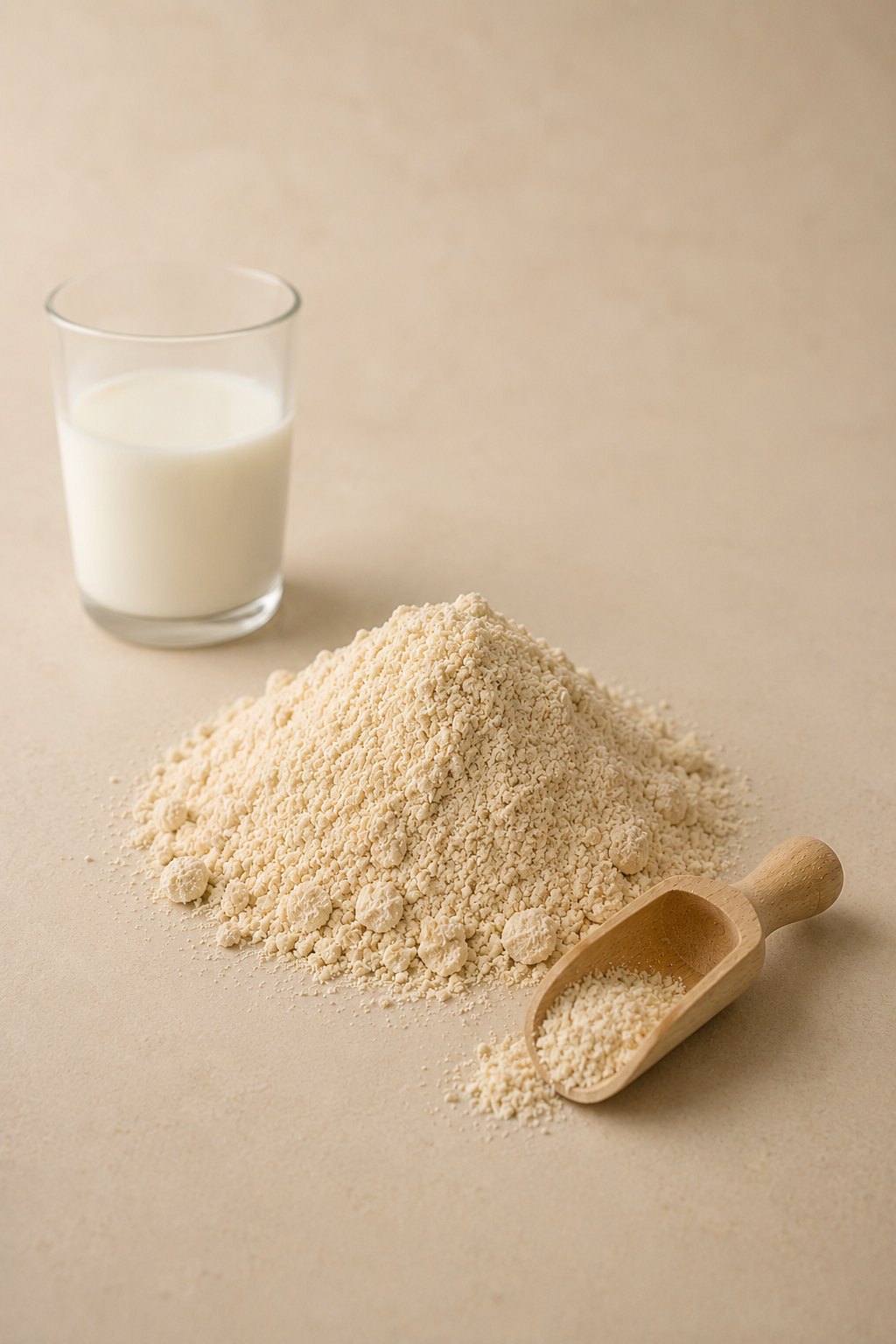
Protein is made of amino acids — the building blocks your body uses to maintain muscle, repair tissue, support metabolism, and fuel recovery. Unlike fat or carbohydrate, the body doesn't store it the same way, which is why you need a steady supply every day.
The best protein isn't simply the one with the highest grams. It's the one that delivers high-quality amino acids, digests well, and fits easily into your daily routine.
Why protein matters
The systems it quietly holds together
Protein supports many of the systems that help you feel strong and resilient. Drop the daily supply too low for too long, and the body starts borrowing from itself.

- Muscle maintenance and strength
- Metabolic function
- Recovery and tissue repair
- Satiety and appetite support
- Healthy ageing and resilience
Know your options
Types of protein
Different sources have different strengths. The best choice depends on your goals, digestion, taste preferences, dietary needs, and how consistently you can use it.
| Type | Best for | Strengths | Considerations |
|---|---|---|---|
| Whey protein | Muscle and recovery | High in leucine, fast absorption, optimal amino acid profile | Quality depends on source and processing |
| Plant protein | Dairy-free needs | Allergen-friendly, vegan | Often lower in leucine unless blended; may involve chemical or solvent treatments and reduced protein digestibility |
| Collagen | Skin, joints, connective tissue | Contains specific amino acids for connective tissue | Not a complete protein for muscle support |
| Casein | Slow-release outside sensitive-digestion contexts | Sustained amino acid release | Can feel heavy for some |
Why whey
Whey protein — why it stands out
Whey is one of the most researched and effective protein sources because it's naturally rich in essential amino acids — especially leucine, the one most closely associated with triggering muscle protein synthesis.
For people focused on strength, recovery, body composition, or simply getting enough high-quality protein in a convenient way, whey can be an excellent foundation.
- Optimal amino acid profile
- Naturally rich in leucine
- High bioavailability
- Strong research support for muscle protein synthesis
A more thoughtful choice
Whey from A2 cows — a kinder kind of protein
Whey from A2 cows is different from conventional whey at a structural level. The A2 protein profile is associated with a digestion pathway that may be easier for some people to tolerate.
For people who've found that traditional dairy proteins feel heavy, uncomfortable, or hard to use consistently, whey from A2 cows offers a more refined approach to quality and daily usability.
Conventional whey
May include A1-associated proteins depending on the dairy source.
Can feel heavy for some users.
Quality varies by processing and sourcing.
Whey from A2 cows
Selected for an A2 protein profile.
May be easier to tolerate for sensitive digestion.
Supports a premium digestibility story.
How it's made
Processing matters — cold vs heat
Protein can lose some of its functional value when exposed to high heat or aggressive processing. The grams on the label may stay the same, but delicate bioactive components can be reduced.
Cold-filtration is a gentler approach, designed to preserve more of whey's naturally occurring value. For people who care about quality, this matters.
- Helps preserve bioactive proteins
- Supports nutrient integrity
- Aligns with a less-compromised protein experience
- Creates a quality difference beyond grams per serving
If protein feels heavy
Digestibility — why some protein feels off
If a protein powder leaves you bloated, uncomfortable, or uninterested in drinking it again, the issue may not be protein itself. It might be the type, the processing method, the ingredient complexity, the sweetener system, or the texture.
A protein that's easy to digest and enjoyable to drink removes friction from the routine. That matters — because protein is most effective when it becomes consistent.
- Look for simple ingredient lists
- Prioritise high-quality, cold-processed sourcing
- Choose a low-lactose, undenatured whey if digestion is a concern
- Choose a texture and flavour you'll actually enjoy
How much do you need
The daily protein question
Protein needs vary based on body size, activity level, age, goals, and whether you're in a calorie deficit. A general baseline is around 0.8 g per kilogram of body weight per day — but many active people or those focused on body composition may do better closer to 1.2–1.6 g/kg.
| Goal / context | General daily range |
|---|---|
| Basic daily nutrition | Around 0.8 g/kg/day |
| Active lifestyle or strength goals | Approximately 1.2–1.6 g/kg/day |
| Calorie deficit or muscle preservation | Often 1.2–1.6 g/kg/day, depending on individual needs |
The best approach isn't to chase perfection. It's to build a repeatable routine that gets you enough high-quality protein most days.
The hidden factor
The protein you'll actually use
The most effective protein is the one you'll actually drink. Taste and texture matter because they influence daily behaviour. A chalky or overly heavy protein may technically be "good," but if it's unpleasant, it won't become part of your routine.
Protelicious is designed around that real-world truth: protein should be functional and delightful. It should support your goals and feel like something you look forward to.
- Smooth texture
- Gourmet flavour experience
- Easy daily routine
- Less friction, more consistency
Where we fit
The Protelicious difference
Protelicious brings together the qualities that matter most: whey from pasture-raised French A2 dairy cows, cold-filtration, simple formulation, and a smooth, gourmet taste experience. It's built for people who want protein that feels elevated, works hard, and fits naturally into daily life.
The result is more than a protein powder. It's a protein ritual designed for consistency, confidence, and enjoyment.
- High quality amino acid profile to support lean muscle
- Cold-filtration to help preserve bioactive value
- Premium taste and texture for everyday adherence
- Simple, purposeful formulation
Common questions
Protein FAQ
What is protein?
Protein is a macronutrient made of amino acids. Your body uses it to build and repair tissue, maintain muscle, support metabolism, and aid recovery.
What type of protein is best?
The best protein depends on your needs, but whey is one of the most effective options for muscle support because it's complete, bioavailable, and rich in leucine.
What is whey protein from A2 cows?
Whey from A2 cows comes from dairy sources selected for an A2 protein profile. It may be easier for some people to tolerate than conventional dairy proteins.
Why does cold-filtration matter?
Cold-filtration helps preserve more of whey's naturally occurring bioactive components, creating a protein experience focused on quality as well as grams.
How much protein should I eat per day?
Needs vary by body size and goals. A common general range is 0.8–1.6 g per kilogram of body weight per day.
Try it
Protein, finally worth craving
French gourmet whey from pasture-raised A2 dairy. Cold-filtered. Zero added sugar. Real ingredients. Made to be the one you actually use every day.
Shop Essential